Why Eating Local Matters More Than You Think
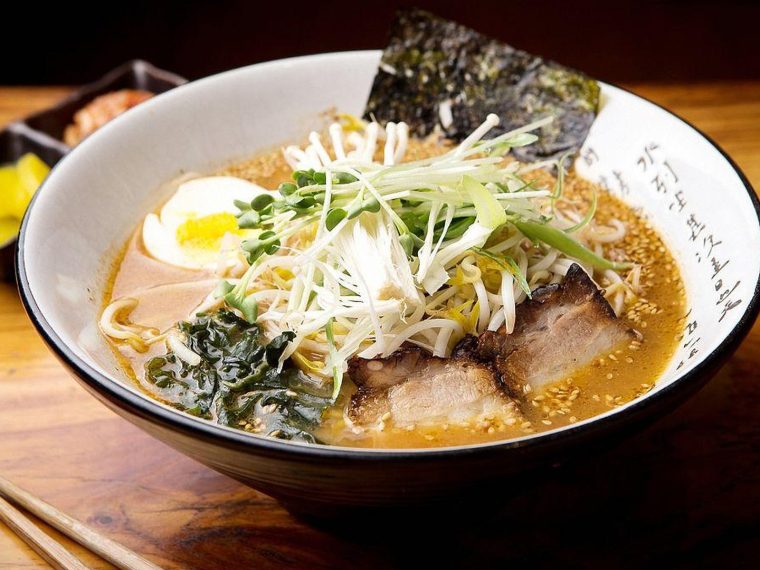
I still remember my first meal in Tokyo—standing in a tiny ramen shop with no menu, no English, and a wall of steaming bowls I couldn’t read. I pointed at the one with the most chicken and prayed it wasn’t spicy. That moment taught me something powerful: eating local isn’t just about taste. It’s your passport to culture, connection, and real travel magic. For first-time travelers, diving into local food isn’t a luxury—it’s the fastest way to break through the glass wall between tourist and place. When you eat what locals eat, you’re not just filling your stomach. You’re learning their rhythm, their values, their stories. That’s the kind of travel that sticks in your bones.
How to Find Real Places (Without Asking Tourists)
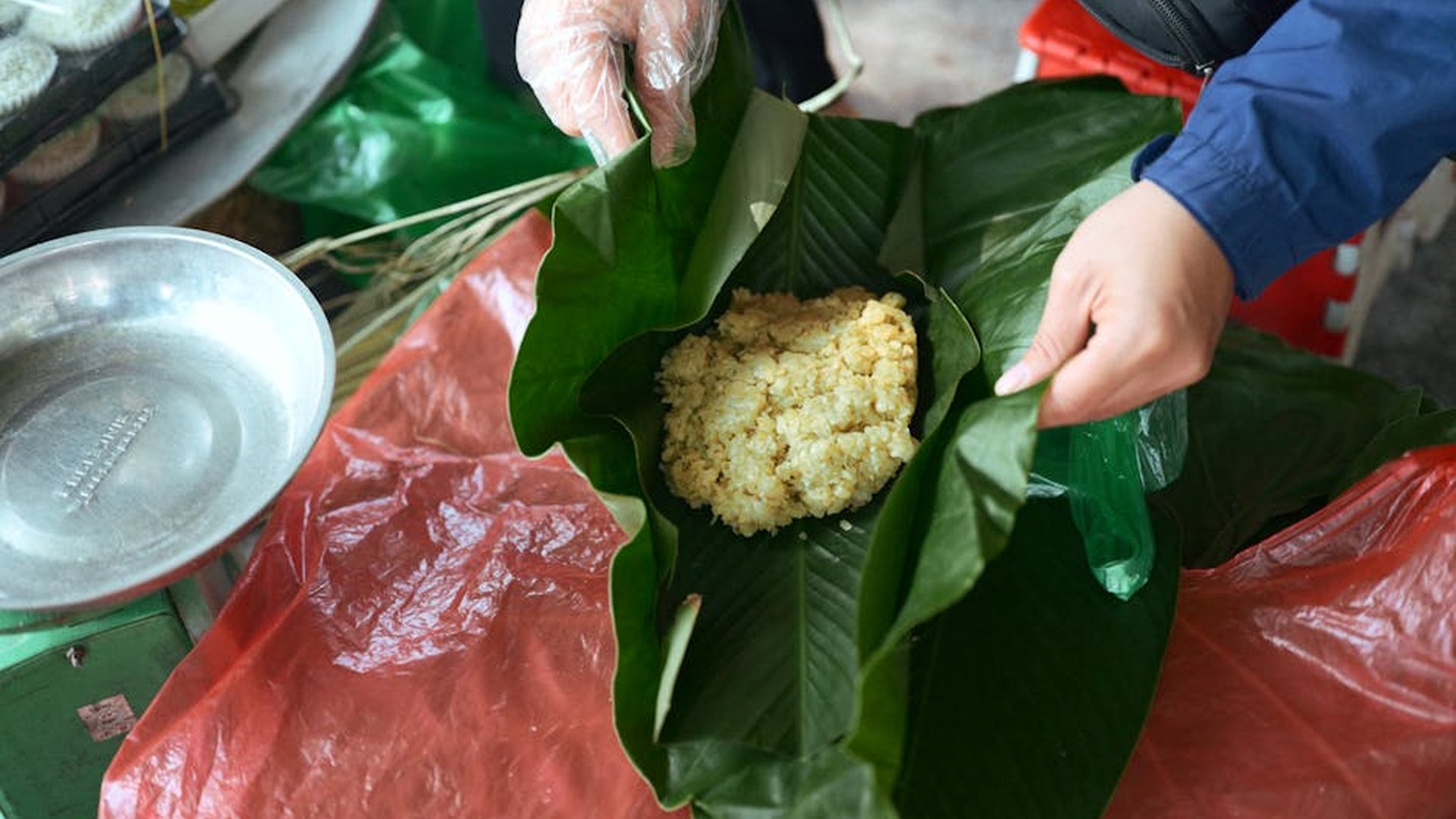
Forget the tourist traps with neon signs and English menus. Real food lives in the quiet corners—side streets, back alleys, markets tucked between noodle shops and shoe repair stalls. In Oaxaca, Mexico, I followed a line of women carrying baskets to a little stand that sold tamales wrapped in banana leaves. No sign, no website, just the smell of chiles and corn. I stood behind a grandmother who nodded at me as she handed over her cash. I copied her. We ate sitting on a plastic stool under a dusty tarp, watching the sunlight shift across the plaza. That meal cost $2.50. It stayed with me for months.
So how do you find those places? Look for lines. Not the long lines with tourists waving phones in the air. Look for lines made of locals—people in work clothes, backpacks, kids in school uniforms. When you see a group of regulars standing in a dusty alley with a cardboard sign that says “Tacos 10 pesos,” that’s your signal. If you’re in a city, head to the market early—6 a.m. is gold. Markets aren’t just for groceries. They’re living cafes, open-air kitchens, and community hubs. And when you walk in, don’t just eye the snacks. Ask the vendor, ‘What’s good today?’ Most will beam and point. That’s how you get the real advice.
What to Order When You Can’t Read the Menu
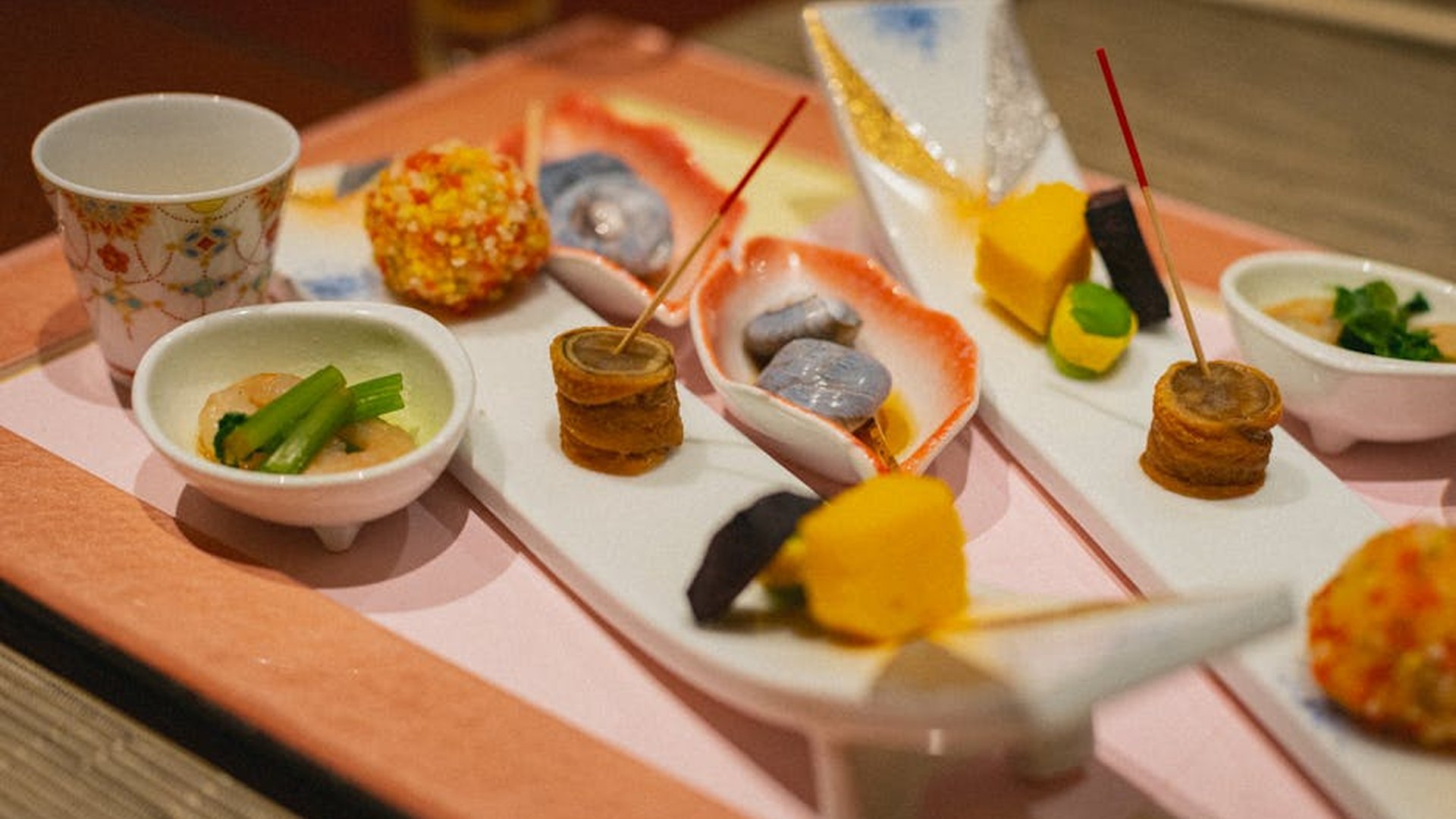
Language barriers are real. But so is hunger. When I arrived in Kyoto, I couldn’t read the kanji on any menu. I stood in front of a tiny kaiseki restaurant, staring at a plate with three small dishes I didn’t recognize. Instead of panicking, I just smiled and pointed at the most colorful one. The chef nodded and brought over a little bowl of pickled vegetables. Then he pointed at the rice and made a chopping motion. I understood: this is the centerpiece. I ate everything. No translation needed. The magic is in gesture, eye contact, and willingness to try.
So when you’re stuck, use these three moves: 1) Point to the item you want—don’t grab the menu, just point. 2) Use the word ‘please’ and smile. It’s a universal language. 3) If you’re nervous about a dish, ask, ‘Is it spicy?’ or ‘Does it have meat?’ Keep it simple. In Turkey, I once asked for a grilled kebab with no tomatoes. I spelled ‘tomato’ slowly and held up two fingers to mean ‘no.’ The man laughed and nodded. We didn’t speak the same language, but we connected over food.
How to Avoid the Food Traps Without Losing the Fun
Let’s be real—some travel spots are designed to sell you bad food. You walk into a square in Barcelona, and every second shop says ‘Authentic Spanish Tapas.’ They’re not. They’re tourist food: over-salted, overpriced, and served with a smile that says, ‘I know you’re not from here.’ I once paid $18 for three slices of bread with honey and cheese. It wasn’t even good.
How do you avoid this? First, trust your gut. If a place has a long line of tourists, walk away. If it’s packed with locals, even better. Second, watch how people eat. Are they finishing fast? Are they crumpling napkins and rushing out? That’s a sign they’re not here to linger. But if they’re eating slowly, stirring their soup, laughing with the owner—those are good signs. Third, don’t fear the small shop. The tiny stand in Lisbon that sells just one thing—amêijoa (a local oyster)—might cost $3. But it tastes like the ocean. That’s the kind of truth you won’t find on a travel blog.
And here’s a trick: ask locals. Not the hotel staff (they’re trained to say ‘yes’). Ask a barista, a shopkeeper, a woman at the bus stop. Just say, ‘Where do you eat when you’re not on vacation?’ A simple question, but the answer can change your whole trip.
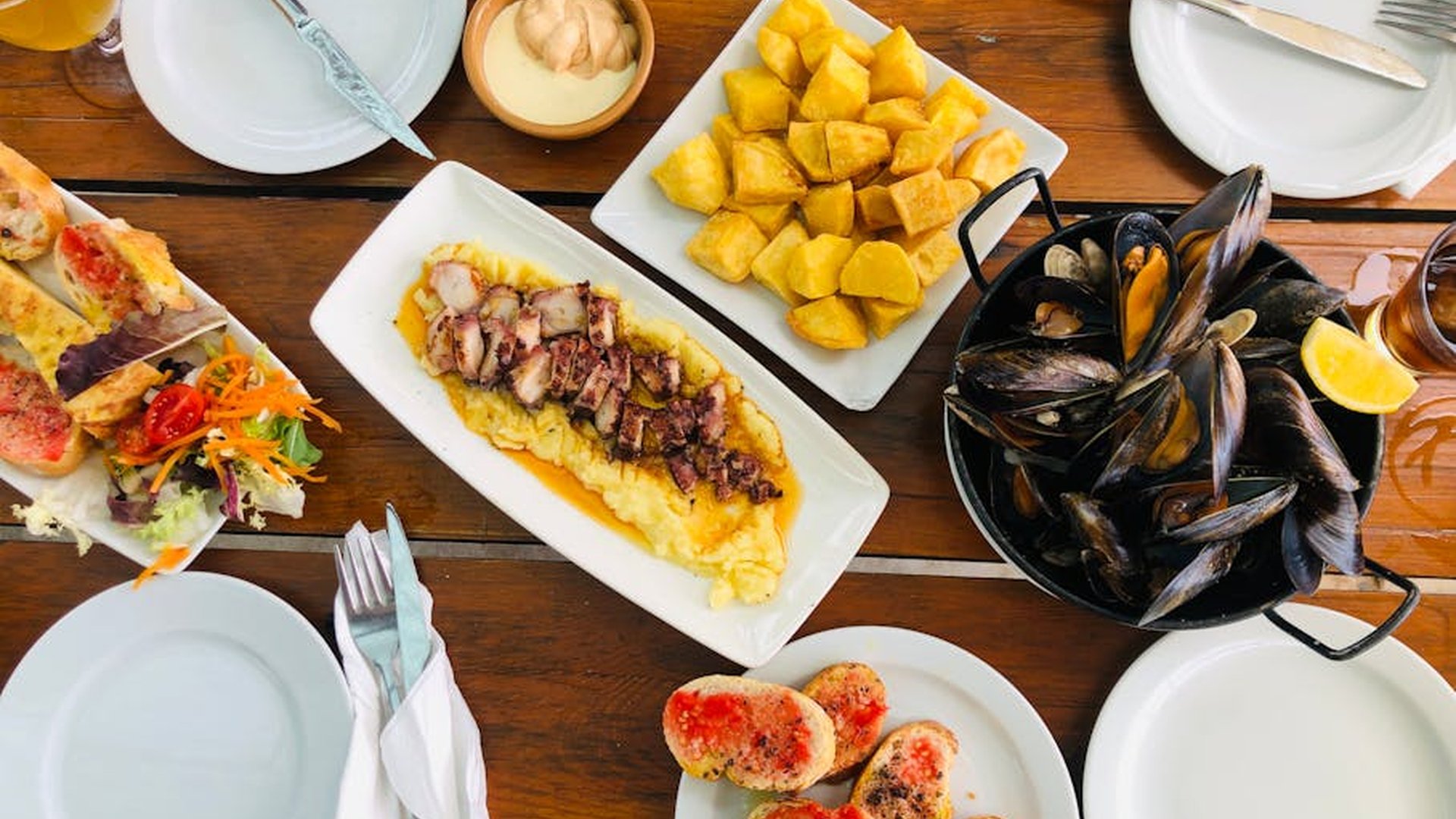
Food That Feels Like Home (Even When You’re Not)
There’s a moment in every traveler’s journey when you’re tired, homesick, or just overwhelmed. I remember sitting alone in a café in Lisbon, watching the rain fall on red tiles. I’d eaten three different pastries already, but nothing felt right. Then a woman in a blue apron brought me a small cup of hot chocolate. Not the sweet, powdered kind. This was thick, dark, and bitter—like real chocolate. She said, ‘My mother made this. You need it.’ I cried. Not from sadness. From relief. That cup didn’t just warm me. It reminded me I was still human, still connected.
That’s the power of food: it doesn’t just feed your body. It feeds your soul. Even if you’re not sure what’s on the plate, or how to say it in the local tongue, just try. Let the flavor surprise you. Let the smell take you back to a memory of your own grandmother’s kitchen. Let the person behind the counter see your effort. A nod. A smile. That’s the real travel experience.
So this time, don’t just visit a country. Eat it. Walk into the shop with no signs. Point to the red dish. Say ‘yes’ to the stranger’s suggestion. Let food be your guide. Because sometimes, the best local food tip isn’t on a map—it’s on your plate.