How to Find Real Places
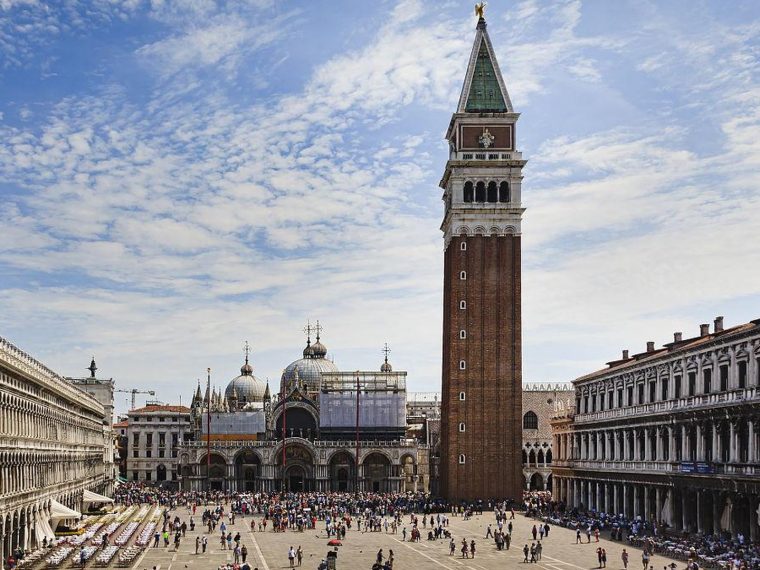
I’ll never forget walking into Venice’s Piazza San Marco on a summer morning—crowds so thick I could barely turn around. The long lines, the souvenir stalls hawking trinkets shaped like gondolas, the overpriced espresso that tasted like burnt cardboard. I’d read about the ‘must-see’ spots, but I wasn’t ready for how fake it all felt. That’s when I learned: not every famous place is worth your time. And it’s not about being anti-tourist—it’s about being intentional. The best travel isn’t about ticking boxes. It’s about feeling something.
So how do you find real places? Start by digging beneath the surface. Instead of checking Google Maps for ‘top attractions,’ use local blogs, Facebook groups, or even Instagram hashtags from residents. In Lisbon, I found a tiny Fado bar tucked between a bakery and a pharmacy. No sign. No tourist brochure. Just a crack in the door where music slid out like smoke. It wasn’t on any guidebook. But it was unforgettable. Real travel doesn’t come through the front door of a brochure—it comes through curiosity, through walking down a side street you didn’t plan to take.
Next, talk to locals. Not the hotel desk clerk who gives you a polite nod and says, ‘Oh, the castle is great.’ Talk to the woman selling bread at the morning market. Ask her where she goes to unwind. I once asked a fishmonger in Fukuoka, Japan, where he went for dinner after work. He didn’t point to a restaurant on the tourist map. He said, ‘Try the place behind the train station—my uncle runs it.’ That’s where I ate the best miso-katsu I’ve ever had. No camera. No sign. Just a warm room full of laughter.
Know the Difference Between ‘Famous’ and ‘Famous for a Reason’
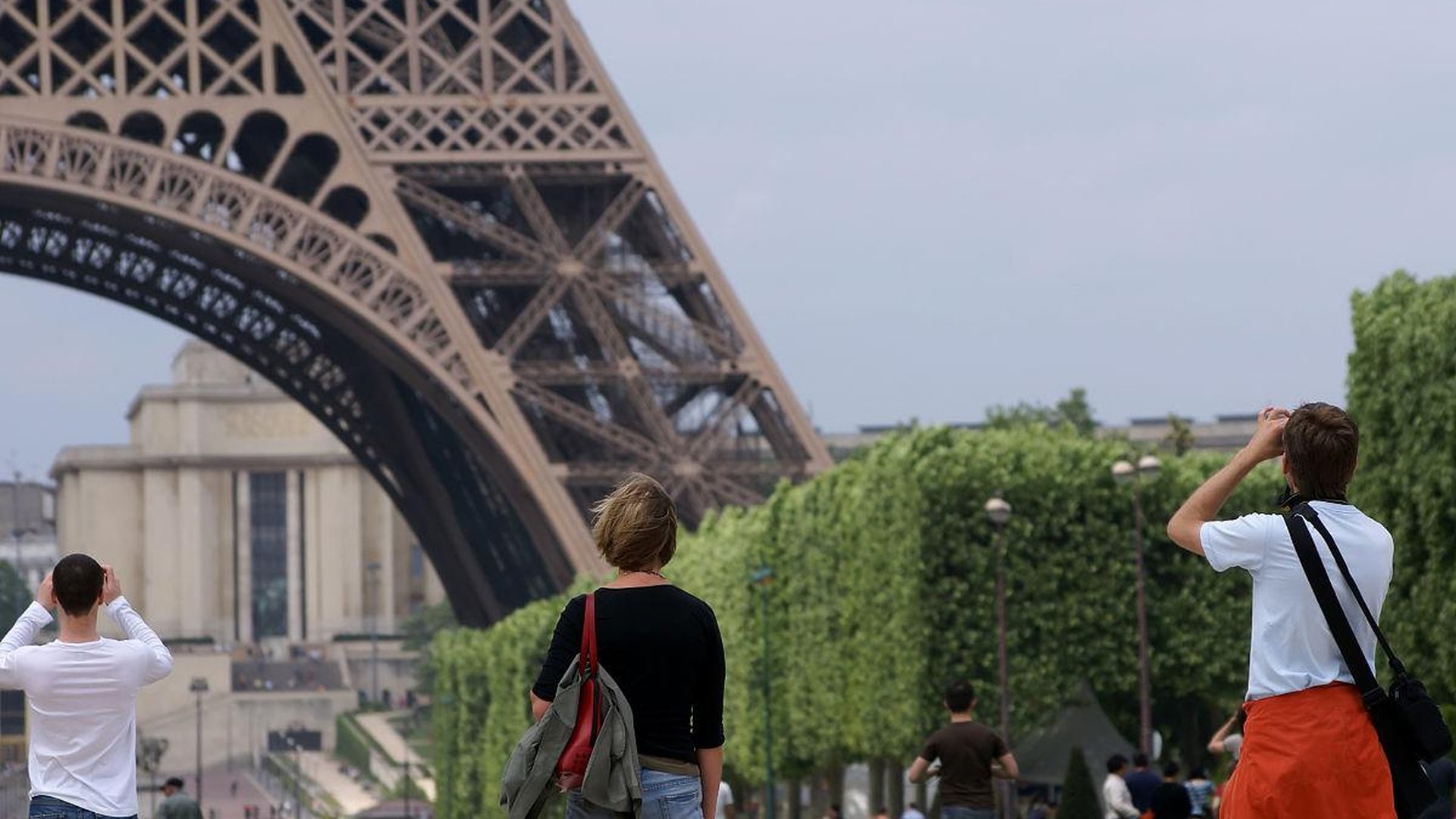
Not every famous place is bad. But not every famous place is good—especially not for you. The Eiffel Tower is iconic, yes. But if you’re tired of crowds, the view from the top might not be worth the two-hour wait. Same with the Colosseum in Rome. I’ve been there twice. Once, I took the official tour. Crowds, heat, a guide who rushed through bullet points. The second time, I arrived at 6:30 a.m., before the gates opened. I sat on a stone bench and watched the light hit the arches just right. No one around. I felt like I was in a dream.
So how do you decide? Ask yourself: Is this experience measured by how many people have posted selfies here? Or by how it makes me feel? If it’s the first, walk away. If it’s the second, you might be onto something.
And here’s a trick: check the time. Many tourist traps are busiest at midday. Go early or late. I once beat the crowds at Kyoto’s Fushimi Inari by arriving at 6 a.m. The torii gates stretched into the fog like a red tunnel. No tour buses. No screaming kids. Just wind, moss, and the sound of my footsteps. That’s the magic you miss when you stay on the ‘normal’ schedule.
Always Ask: What’s My Real Goal?
Before you book anything, pause. What do you actually want from this trip? Is it relaxation? A cultural connection? A thrill? Once you know, you can filter out traps that don’t match.
My friend Sarah, a teacher from Seattle, went to Bali with her family. She wanted peace, not chaos. But she went straight to Seminyak, where every bar was playing bass-heavy music and every restaurant served ‘Instagram food’—a giant, overpriced smoothie bowl with a flamingo feather on top. She said, ‘I didn’t even taste the food. I just felt exhausted.’ The next year, she went to Ubud instead—stayed in a jungle villa with a river right outside. She took a cooking class with a Balinese grandmother. Played with kids at a village school. She came back with stories, not photos.
That’s what it means to travel on purpose. You’re not just visiting a place. You’re choosing what kind of experience you want—and then designing your trip around that.

When in Doubt, Follow the Buses
Here’s a simple truth: if a bus is full of locals, it’s probably not a trap. Tourist buses? Always. I learned this in Oaxaca, Mexico. Most guidebooks point to the main square and the colonial cathedral. But when I saw a local bus packed with families, I got on. We rode for 45 minutes through hills and cornfields. At the end, it dropped us in a village where people still weave wool on looms by hand. We sat on a clay bench, drank atole from a woman’s kitchen, and watched the sunset over the Valley of the Mountains. No names on the map. No photos. But it’s the moment I still remember most.
Tourist traps love to pack into the same few spots. But real life? It happens everywhere else. A local bus, a packed train, a street vendor with a hand-painted sign—it’s not always glamorous. But it’s real.
Trust Your Gut (and Your Hair)
There’s no foolproof system to avoid tourist traps. But there is one superpower: your instinct. When something feels fake, it probably is.
I once stood in Rome, staring at a shop selling ‘ancient Roman sandals’ made in China. The owner smiled too wide. The prices were way too low. I walked away. Later, I found a small cobbler in Trastevere who hand-stitched sandals from leather made in Tuscany. They cost more. But they felt like history. I wore them for a month. The mark of authenticity: it wasn’t about the price. It was about how it made me feel.
That’s the real test. Not whether a place has 500 reviews. Not whether it’s on TikTok. But whether you walk out of it feeling full. Not full of photos, but full of soul.
So next time you plan a trip, ask: What do I not want to see? What would make me gasp—not because of a view, but because of a moment? Then go find that. Not the famous. Not the safe. Not the easy. But the one that stays with you.
Because travel shouldn’t be about checking boxes. It should be about opening doors—ones that only real travelers know how to find.