Why Iceland is the Ultimate Northern Lights Destination
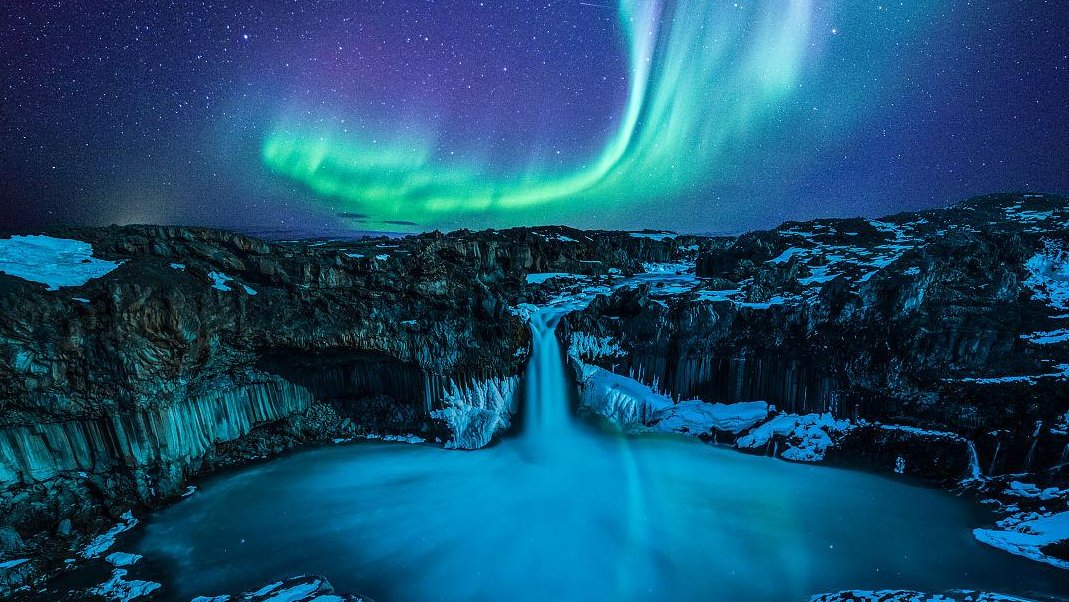
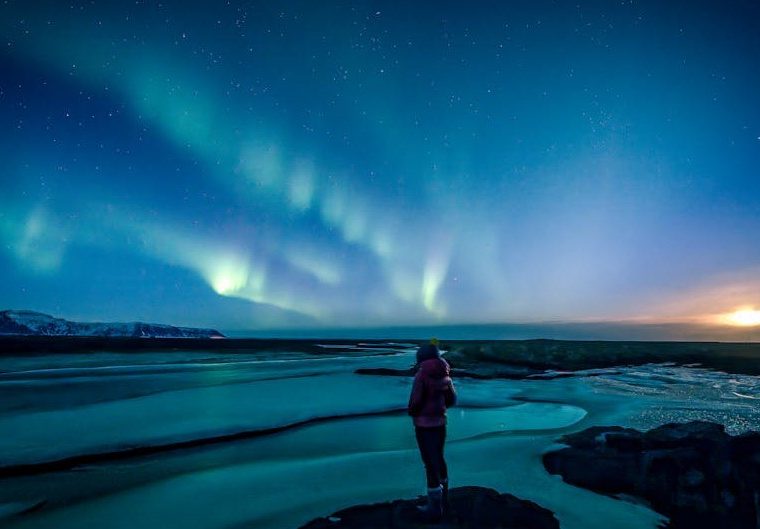
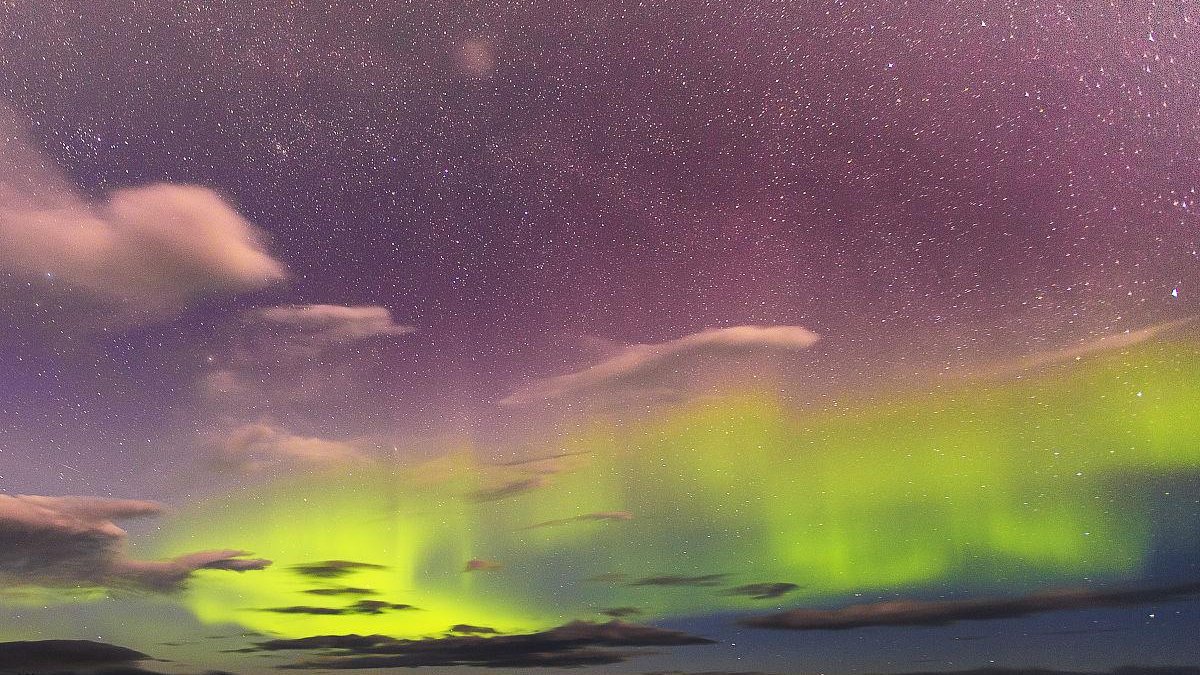
There is an almost divine feeling to standing under a sky glowing with green and purple flames. That’s exactly how I felt the night I saw the Northern Lights for the first time in Iceland – just outside Reykjavik, lying on a frozen hillside with a bottle of hot chocolate in my hand. The air was solemn, silent, and filled with anticipation. Then, like a cosmic whisper, the sky began to move. Flashes of light tumble across the horizon, changing from soft emerald green to electric purple. Not only did I see it, I felt it. That’s the magic of the Northern Lights in Iceland: it’s not just a natural phenomenon, it’s a full-body experience.
Iceland lies just below the Auroral Oval, the high-latitude sky ring most likely to be illuminated by the Northern Lights. Unlike other destinations, it’s not just about the chance to see them. Here you’re almost guaranteed to see a show – especially between September and March. Unlike crowded cities or tourist traps, Iceland offers pristine, unspoiled landscapes that make the aurora feel personal. Whether you’re traveling alone, on a couple’s vacation, or on a family road trip, it’s one of those rare experiences that stays in your bones long after you’ve packed your bags.
When and Where to Catch the Aurora: Pro Tips
Timing is everything. You don’t just show up and expect to see lights. I learned this the hard way on my first trip – I went for three weeks in February and it was cloudy every night. Lesson: Don’t just trust the weather forecast. Instead, use the Aurora Forecast app (available for iOS and Android ) and check every hour. Look for an ellipticity index (Kp) of 3 or higher and track solar wind data. Better yet: Take a guided tour. Local guides understand the weather like a second language and can get your group to the perfect spot at the right time.
As for locations – my top three?
1. Glimur Falls Area (near Reykjavik) – Just 1.5 hours’ drive from the city, this secluded valley features a backdrop of roaring waterfalls and moss-covered boulders under a shimmering sky. We camped in a cabin and stepped outside at 11pm, gasping as the lights exploded above our heads. The sound of water mixed with the stillness of the stars – pure magic.
2. South coast near Vic – Here, the midnight sun gives way to complete darkness. Reynisfjara’s black sand beaches and basalt columns create a surreal contrast to the dancing sky. I remember one night, after kayaking in a calm fjord, we sat on a rock formation and watched the light reflect off the ocean like liquid emerald.
3. Lake Mývatn (Northern Iceland) – This remote lake area is one of the most common places in the country to see auroras. The 2019 trip I took took us to a private high ground, away from any light pollution. We sat in the warm cabin, sipping hot cider, wrapped in thermal blankets and staring upward for three hours. Then, suddenly, the sky transformed into a living tapestry. Long, wavy strips of light swing like curtains in a draftless room.
What to bring (and what to avoid)
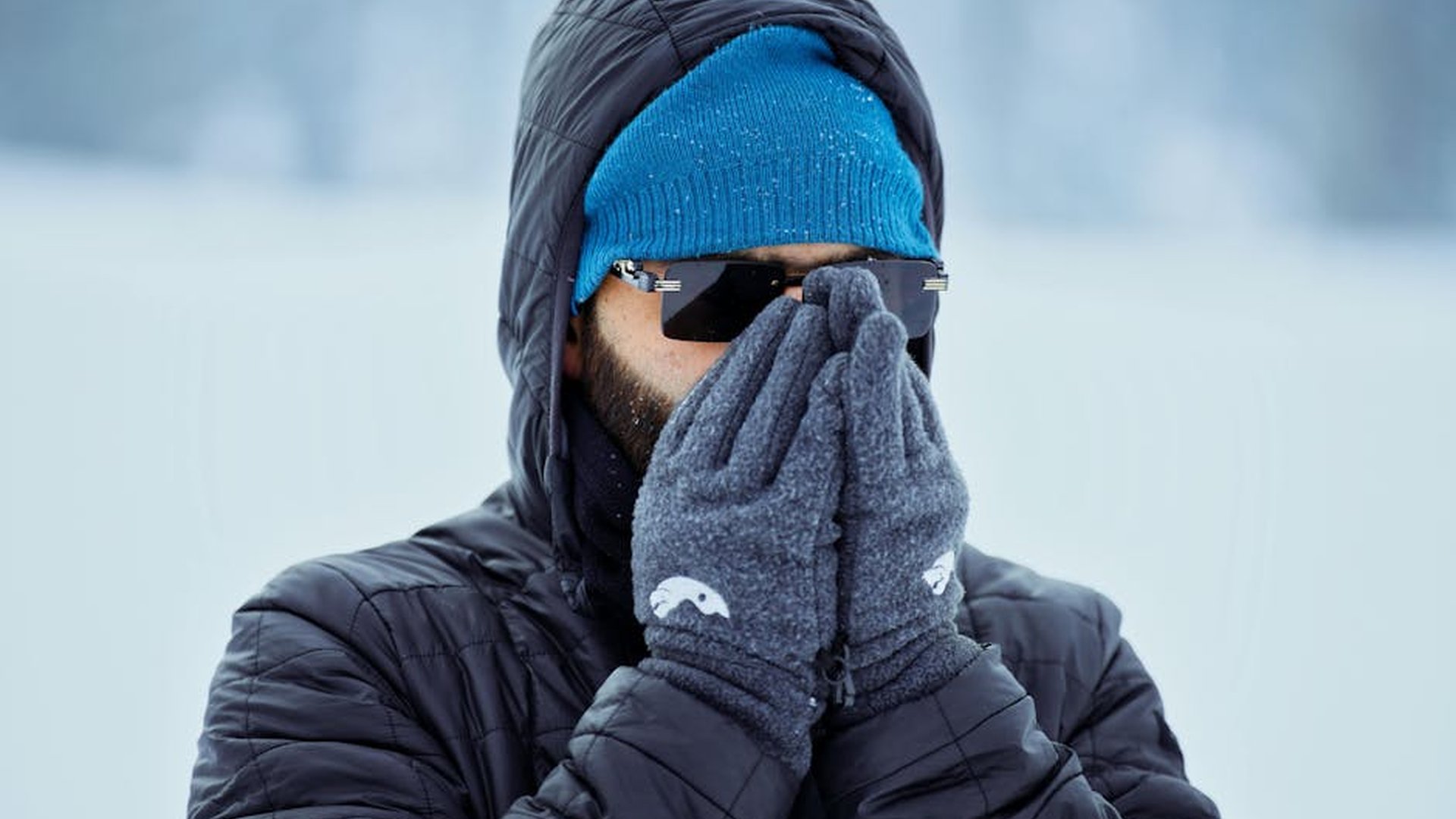
I had worn a light jacket thinking that winter in Iceland might be quite warm. Big mistake. That night, my toes went numb within five minutes. What are the keys to comfort and safety? Layers, layers, layers.
– Base layer: Thermal underwear (I use merino wool – no odor even after a week).
-Mid layer: wool or down sweater. Warm but not heavy.
– Shell: Waterproof and windproof. Don’t skip the hood.
– Accessories: Thick gloves (mittens, not fingers), neck gaiter and beanie. Your ears will get cold quickly.
– Footwear: Insulated boots with good traction. I used a pair of shoes with rubber soles and deep tread – essential on icy roads.
Don’t forget: bring a small flashlight (red light mode helps with night vision), a fully charged power bank (your phone will run out quickly), and a good camera with manual settings. Oh, and maybe a travel towel – it’s not just for showering. In the sudden confusion, I used my camera to wipe the snow off the lens.
Things to avoid?
– Don’t expect to see the lights every night. Even in high season, clouds, solar storms or moonlight can obscure the view.
– Don’t rely on free apps for real-time data. Use trusted sources such as the Iceland Meteorological Office website.
– Never, ever drive alone into the backcountry in the winter. Follow a local guide or suitably equipped rental vehicle.
How to make it a family or personal adventure
I traveled solo to Iceland for the first time – honestly one of the most profound experiences of my life. No distractions. No noise. Just me, the cold and the sky. I stayed in a remote hotel with a wood-burning stove and wrote in my journal at night. The solitude makes Aurora feel like a personal gift.
But don’t think this is just for solo travelers. I’ve seen families – parents, kids, grandparents – gather under the Northern Lights in Vik, wrapped in blankets, kids pointing to the sky and laughing like it’s a magical storybook. I even saw a grandpa holding his granddaughter’s hand as lights flashed overhead. It’s touching, real and unforgettable.
For families, guided tours can be booked which include transport, hot drinks and child-friendly storytelling. Some tours even let kids help name the aurora curtains through augmented reality. At a campsite in the north, we sipped cinnamon hot chocolate and watched the lights through a glass dome—all under a dome made of reindeer hide and glass.
What about for couples? Aurora is more than just a show. It’s a mood. One evening, in a glass igloo near Thingvellir, my partner and I sat side by side in silence, without speaking or needing to speak. The lights danced above us and time stood still for a moment. This isn’t the moment you planned for, it’s the moment you hoped for.
Final Thoughts: It’s not just a sight, it’s a feeling
After all these years, I still believe that the Northern Lights are one of nature’s greatest gifts to mankind. You don’t just see them. You feel them. When you tell the story years later, you will remember them in your body, in your dreams, in your voice.
What about Iceland? It’s not just a place on a map. It’s a feeling. The snow-covered plain was silent. The smell of hot earth after a storm. The air smelled cold and clean, like it hadn’t been polluted in centuries.
So if you’ve ever dreamed of standing under a sky that moves like a living soul, pack your bags, time your trip, and get going. Let the Northern Lights remind you how small we are…and how beautiful the world can be when we are quiet enough to witness it.
Experience the magic of the Northern Lights in Iceland. Not just as a tourist, but as a person who truly sees the soul of the earth.