Why Timing Makes or Breaks Your Trip
I’ve been on the road for eight years—sleeping under the stars in Patagonia, stumbling through Kyoto’s morning fog, and sipping espresso on a Rome balcony at golden hour. And one thing I’ve learned? The best travel experiences aren’t just about where you go—they’re about when. Show up in Bali during the rainy season, and you’ll spend more time indoors than on the beach. Visit Venice in July, and you’ll be dodging tourists like they’re in a video game. I’ve seen travelers fork over premium prices for a spot that ends up sweltering, overcrowded, and underwhelming. So here’s the truth: choosing the right time to visit a destination isn’t just smart—it’s essential. For those chasing magic, not madness, timing isn’t an afterthought. It’s the secret ingredient.
Europe’s Hidden Gems: When to Escape the Crowds
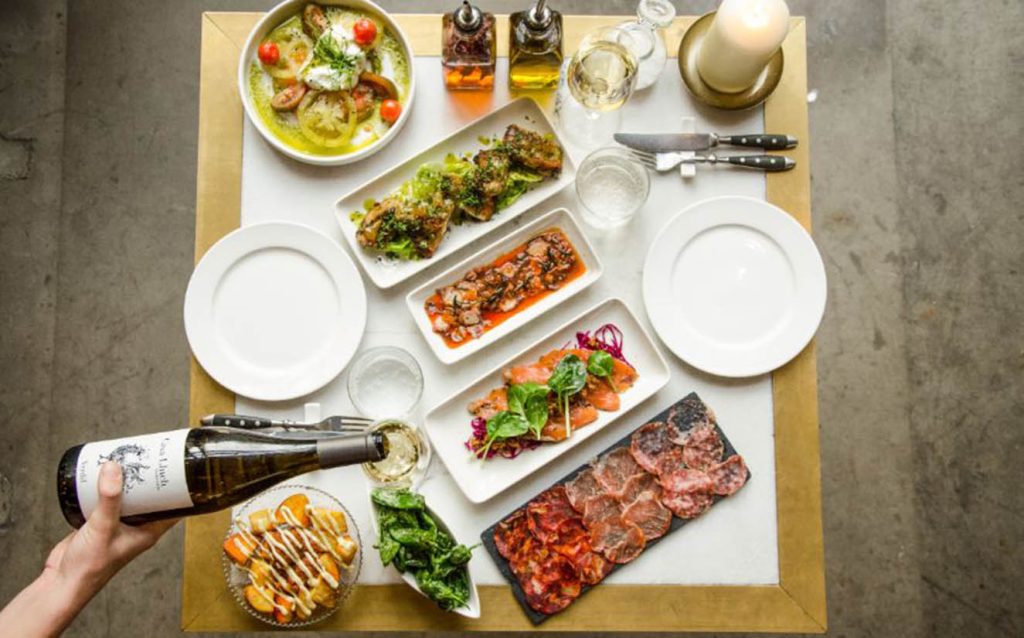
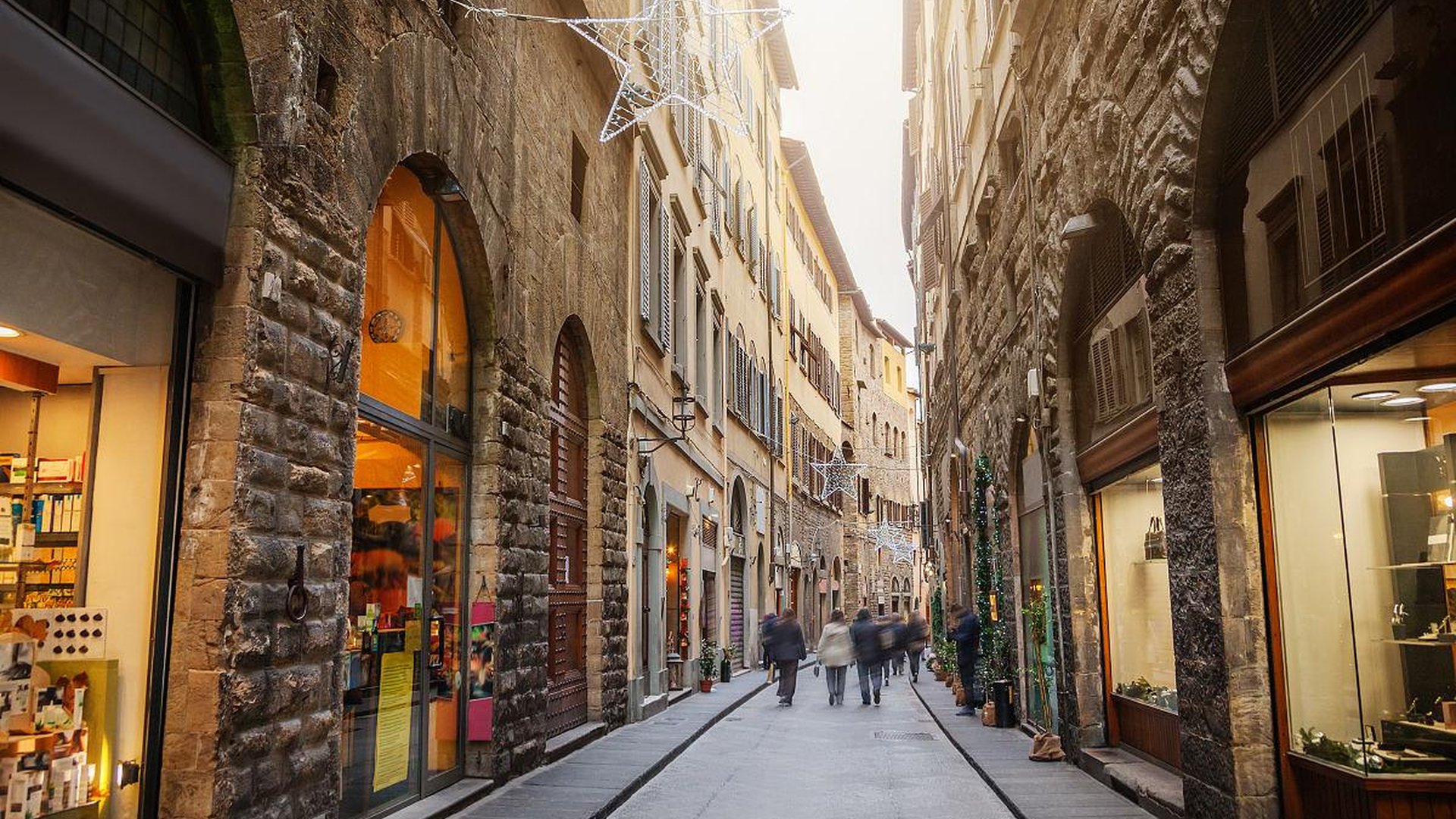
Let’s talk Italy—the dream, the romance, the pasta. But even the most poetic cities get loud. Florentine cobblestones turn into human highways every August, and Rome’s Colosseum is packed like a subway car during peak season. I visited Florence in late September, and it was perfect: golden light, nearly no lines, and a local wine bar where the owner actually remembered my name. The key? Travel in shoulder seasons—late spring (May to early June) or early fall (September to mid-October). That’s when the weather’s mild, the prices drop, and you get to walk through the Uffizi Gallery alone, almost like you’ve stolen a moment from history.
And if you’re craving something less obvious, try the Dolomites in the Tyrol. June and September are sweet spots—wildflowers bloom, trails are clear, and there’s no snow to ruin your alpine hike. I hiked the Tre Cime route one crisp September morning, and at the summit, I saw a lone deer standing still, like it was guarding the view. That moment? Priceless. And it only happened because I avoided the July stampede.
Asia’s Monsoon Magic: How to Beat the Rain
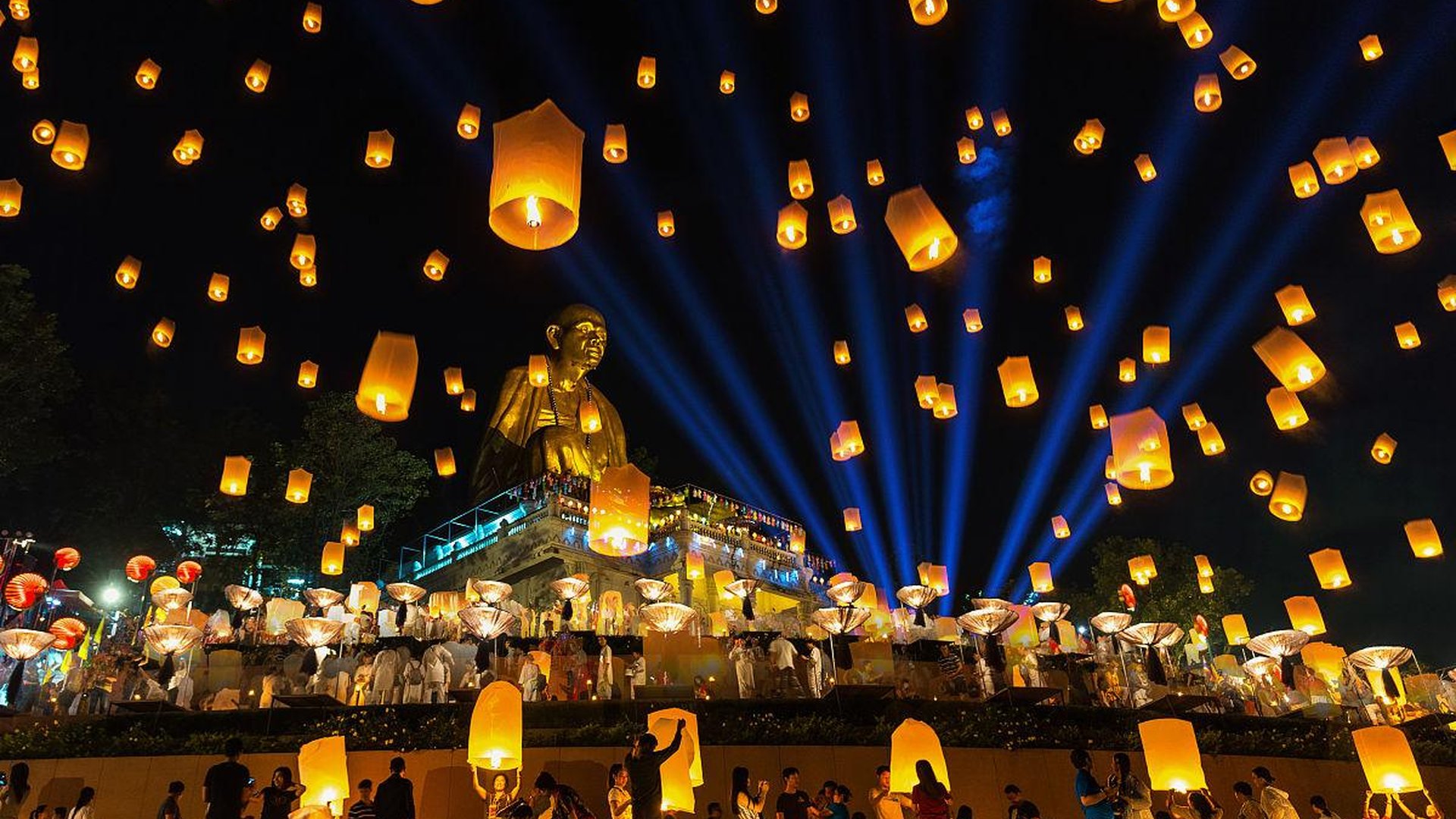
Asia is a landscape of extremes—festivals that last for weeks, temples that glow at midnight, and monsoons that turn rivers into floods. But here’s the secret: the wet season isn’t always bad. In Thailand, the rainy season starts in May and runs through October, but there’s a kind of beauty in it. It’s not about avoiding rain—it’s about adapting. I spent a week in Chiang Mai in October, and while it rained nearly every afternoon, I discovered a whole new side of the city. I stayed in a riverside homestay, drank handmade chicha, and watched the sky turn purple over a flooded rice field. The days were cooler, the jungles green, and tourist buses were gone.
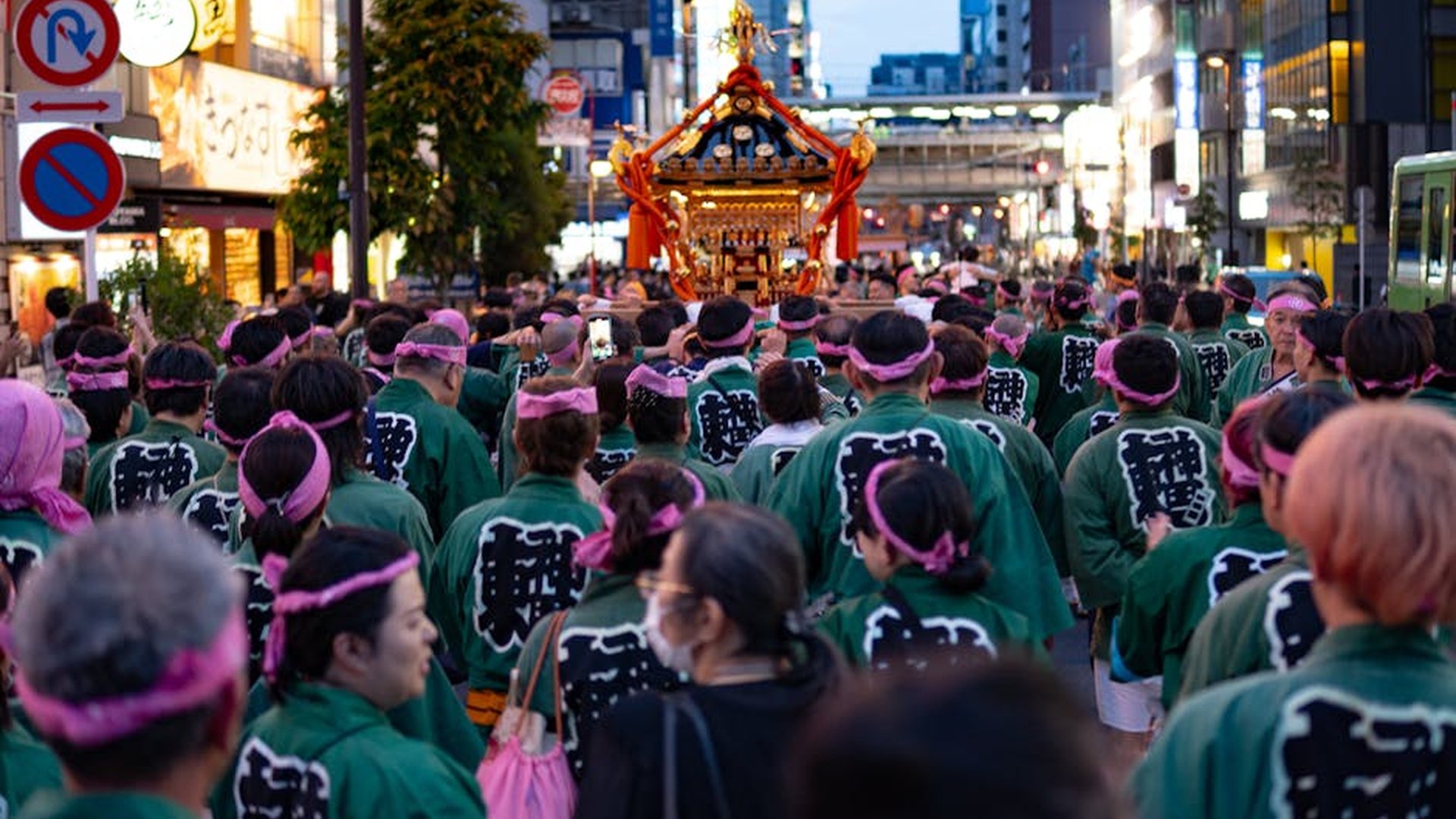
For Japan, the best time to visit isn’t cherry blossom season. It’s late November. That’s when the maple leaves in Nikko and Kyoto reach their peak, and the crowds thin out. I arrived in mid-November and walked through the moss garden at Kinkaku-ji with no one around—just wind, silence, and a golden moon. It was so peaceful, I almost forgot I was on a travel blog.
South America’s Secret Season: The Quiet Rainy Stretch
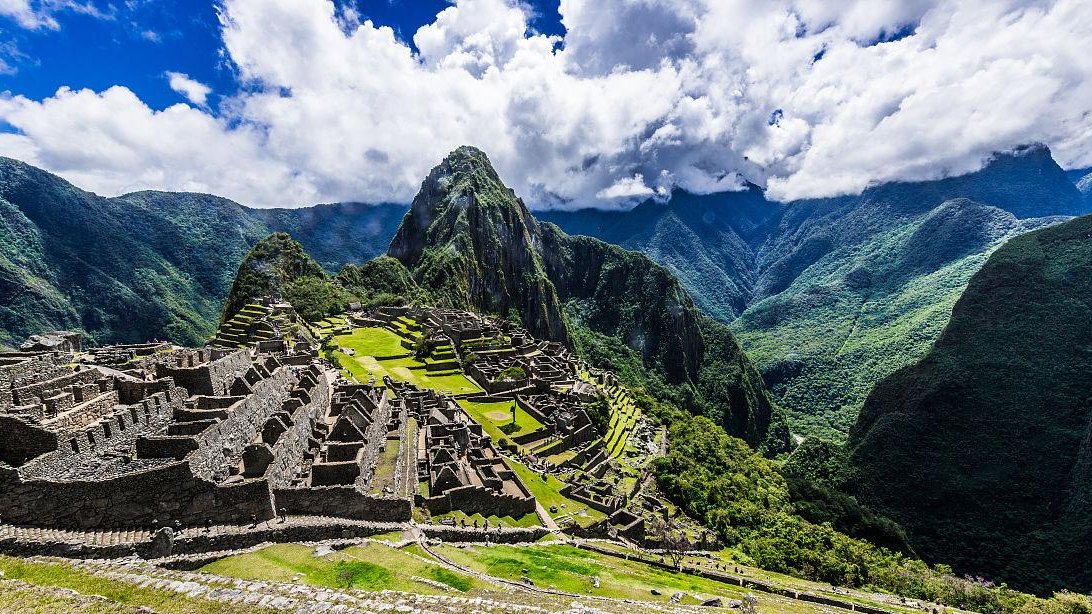
Peru’s Machu Picchu. The dream. The goal. But I went in January, and it was packed. I watched 200 people walk through the same stone arch at the same time, like a gap in the timeline. I was exhausted, disappointed, and started to doubt travel entirely. Then I learned: visit in April. That’s when the rainy season is winding down, the paths are less muddy, and the sun often breaks through. Plus, it’s not peak tourist month anymore.
I went back in April the next year. No lines. No heat. And I spent an hour sitting at the Sun Gate, watching the first light sweep over the ruins. I didn’t need a guide. I didn’t need a crowd. I just needed quiet—and it came. The truth? South America’s rainy season has a quiet charm. In Ecuador, the Andes are green and misty from February to April. I stayed in a village near Banos, and each morning, I could hear the waterfall’s echo through the valley like a hymn. No tour groups. No noise. Just nature, and a hammock. That’s travel magic.
Planning Your Trip: Smarter, Not Harder
So how do you find the best time to visit? Start with this: don’t just Google ‘best time to visit Rome.’ Dig into real-time travel forums, look at a country’s cultural calendar, and even check local weather apps. For example, if you’re going to Tokyo, avoid Golden Week (late April to early May) unless you want to see 300,000 people at one shrine. Instead, go in late November. It’s cooler, quieter, and you’ll catch the last seasonal festivals before winter.
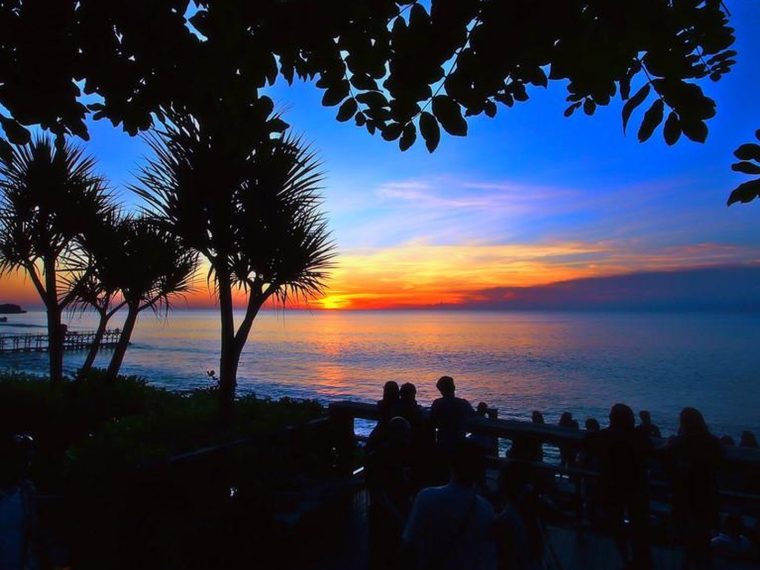
Also, think budget. That flight to Bali in December? It costs double. But if you go in June or August, you’ll save hundreds and still see the rice terraces glowing in the morning sun. I used to chase the ‘perfect’ weather—but now I chase the perfect moment: peace, beauty, and space.
And here’s a pro tip: book your flights and hotels 2–3 months in advance, but don’t lock in your whole trip too early. Things change. Weather shifts. Plan for flexibility. Travel isn’t about perfection. It’s about presence. When you time your trip right, every sunset feels like a gift. Every local smile feels earned. And every moment, real.