
I’ve been wandering through China for over eight years—cycling through Taihu Lake in the morning mist, sipping herbal tea in a Sichuan alleyway, and sleeping on a high-speed train between Xi’an and Guangzhou. I’ve crossed more than 50 cities and 20 provinces. And every time I return to my favorite travel spot—Lijiang in Yunnan—I realize something simple: the key to an unforgettable trip isn’t just the places you visit. It’s how you move through them.
I’m not a tour operator. I’m not a travel influencer with a 100K Instagram following. I’m just a 29-year-old who loves freedom, good food, and hidden corners. I’ve spent a lifetime learning how to travel smart, not expensive. And if you’re a 30-something urban professional craving a low-budget, no-fluff adventure to China, these tips aren’t just advice. They’re survival tools.
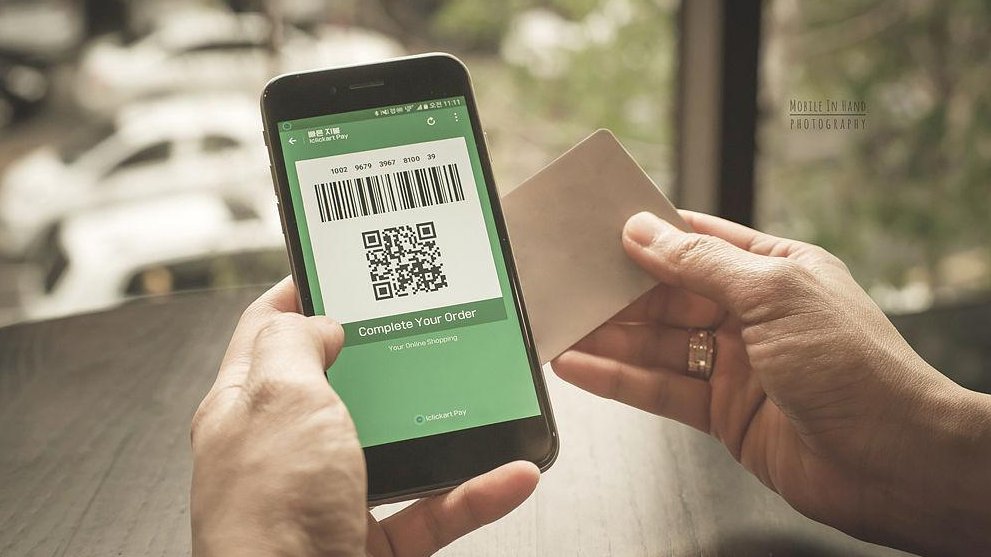
1. Use the app Alipay or WeChat Pay—no cash, no hassle. I still remember my first trip to Hangzhou. I walked into a small tea house near West Lake, handed over a 100-yuan note, and watched the shopkeeper stare at me like I’d offered ancient currency. I’d forgotten: in most cities across China, cash is nearly extinct. Almost every vendor, from noodle stalls to high-end boutiques, uses mobile payments. Download WeChat Pay or Alipay before you go—and link a foreign card if possible. It’s faster than your bank app, and it avoids the dreaded ATM fees.
2. Learn to say ‘Wǒ bù míngbái.’ It’s not about speaking Mandarin fluently. It’s about knowing how to say, ‘I don’t understand.’ I once tried to order a drink at a 24-hour chaoshang in Chengdu and accidentally asked for a hot dog instead. The waiter burst out laughing, but we figured it out—pointing, smiling, and using gestures. You don’t need fluency. You need confidence. Hindi, Spanish, or English—just keep smiling.
3. Eat where the locals eat—especially at breakfast. Don’t go to the touristy hotels. Go to a neighborhood powerhouse. In Xi’an, I found a 5 a.m. breakfast spot run by a woman who’s been cooking baozi for 30 years. Her place had no sign, no menu, just a small window and a chalkboard with three scribbled items. I paid 12 yuan for three steaming buns full of pork and scallions. No Wi-Fi, no mirrors, but it was the most delicious morning meal I’ve ever had. That’s what you’re hunting for.

4. Avoid train stations on weekends. I used to think Beijing West Station was my best bet for a quiet evening walk. Then I showed up on a Saturday evening—crowds surging through tunnels, maps inky with scribbled notes, people yelling over explosions of over-ear music. Trains aren’t just travel tools. They’re emotional spaces. Plan your arrival and departure on weekdays. It’s not just quieter. It’s calmer.
5. Pack a reusable water bottle—yes, even in summer. I once spent a full day climbing the Great Wall in July, sweating through my shirt, looking for a bottle of water. Everyone else was carrying plastic. I found a free fountain at a museum near Mutianyu, but it wasn’t safe to drink from. Now, I carry a collapsible bottle that fits in my pocket. I refill it at metro stations, hospitals, or any public restroom that has a sink. It sounds small, but it’s one of the most useful travel habits I’ve learned.
6. Don’t trust Google Maps in China. I thought I was being smart using it for directions in Lhasa. I ended up in a remote farm, two hours from the city center. The solution? Download Huawei Maps or use built-in Baidu Maps. They’re not just accurate—they’re actually built for China’s roads, villages, and traffic patterns. Baidu even shows real-time subway delays. It’s not about being local. It’s about being practical.

7. Skip the first tour guide on the Great Wall. I’ve seen it too many times. You’re at the base of the wall, a man in a bright jacket shouts, ‘Tour to Jinshanling, only 200 yuan!’ But when you pay, you’re not getting a guide—you’re getting a sales pitch. Wait for the second one. Call him, ask for a 3-hour local walk, and confirm he speaks English. Then you’ll get real history, not generic slogans.
8. Take overnight buses between cities. No, not for the view. For the price. I booked a 14-hour ride from Guilin to Chongqing for $12. I had a small seat, a blanket, and even a power outlet. Best part? I arrived in the morning. Scenic route, no hotel bill, and I saw entire provinces change from rice fields to karst mountains. For budget travelers, it’s a game-changer.
9. Use local minibuses to reach quiet heritage villages. In Sichuan, I needed to get to a small village famous for paper lanterns. The tourist bus charged $20. So I took a local minivan—three people, $1 per head. We stopped at a riverside market, ate wild greens, and arrived in 45 minutes. The road was narrow, the driver cursed a lot, but the view was breathtaking, and the people waved. That’s the real China.

10. Last but not least: carry a spare pair of socks. I lost my second pair on a night train to Hangzhou. The rail car had a terrible smell, and I couldn’t sleep. I bought a new pair at a gas station, only to realize they were two sizes too big. I wore them for three days. Now I keep a pair in my backpack. It’s not luxury. It’s peace of mind.
China isn’t just a destination. It’s an experience. And it doesn’t need to cost a fortune. When I first stepped into a Beijing hutong, I felt small. Not in a bad way—like I was part of something bigger. That’s what travel should feel like. Not rushed, not overpriced, not packed into endless highlight reels.
These 10 tips aren’t magic. They’re real. I’ve used them on every trip. They’ve saved me time, money, and a thousand moments of stress. So pack your backpack, grab your phone, and let your journey begin. Because the best adventure doesn’t come from a brochure. It comes from knowing what to do—before you even step off the plane.