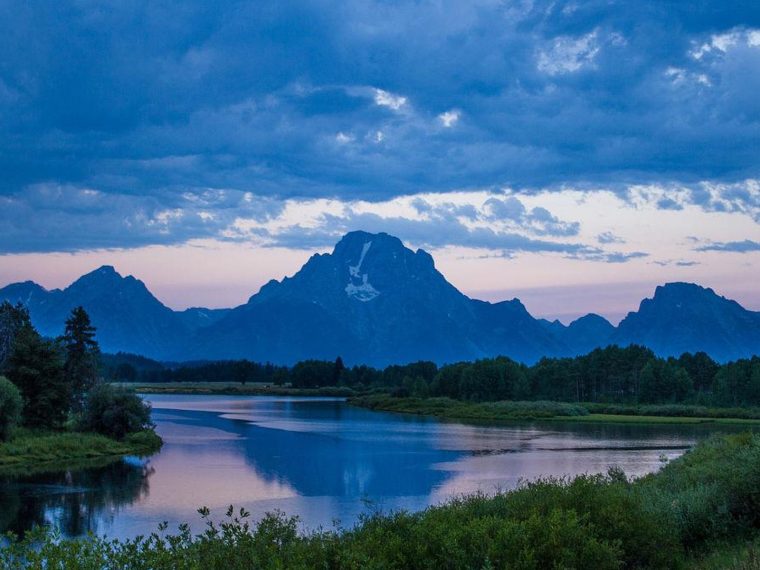
Hey fellow explorers, if you’ve ever stood at the edge of a crowded train station in Chengdu, sipping bubble tea while watching locals ride bicycles through ancient alleys, or found yourself in a dusty village in Yunnan, tucked into a wooden hut with a mom-and-pop restaurant serving chili-spiced noodles that made your eyes water—then you know China isn’t just a country. It’s a living story, layered with centuries of fire, wind, and flavor.
I’ve been on the move for eight years, ticking off 50+ countries, but China still gives me that electric buzz—like walking into a dream you didn’t know you were missing. And 2024? That’s the year to go. Not just because the long-stay visa is easier now (thanks, Chinese government!), but because the travel scene has matured: quieter trails, better homestays, and a real shift toward local experiences over tourist traps.
So if you’re a 25-to-45-year-old urban professional who craves freedom, authenticity, and real value—you’re in the right place. No corporate tours, no rushed itineraries. Just honest travel, made for people like us.
Let me walk you through the must-visit spots that made my 2024 journey unforgettable—no fluff, no fake Instagram filters, just raw, real moments.
First stop: Guilin, Guangxi. Not for the postcard views you’ve seen 100 times. Go for the quiet river at dawn, when the mist floats like ghostly silk over the limestone karsts. Rent a bamboo raft, not the overpriced motorized boats. A local guide named Lao Wu, who speaks broken English and even worse Mandarin, took me to a tiny village where families still grow rice in terraced fields that look like they were painted by hand. We shared sticky rice wrapped in lotus leaf, and he told me, “The hills don’t care how many tourists you bring. They only care if you’re quiet and respectful.” I’ve never forgotten that.
Then there’s Dunhuang, in Gansu. If you’re into history, culture, and a little bit of dusty magic, this is your spiritual home. I arrived on a sleeper train from Xi’an at 5 a.m., flat on my back after 14 hours of snoring tourists. But when I stepped into the Mogao Caves, I was struck silent. Not because of the golden Buddha statues, but because of the quiet. A single monk was sweeping the stone floor. No signs, no crowds. Just centuries of prayer and paint on walls that still glow under the dim light. I sat on the edge of a platform, tears rolling down my cheeks—not from sadness, but awe. That’s what travel should feel like.
And for those who think China is all ancient sites and big cities? Try Yangshuo. Not the packed tourist zones with karaoke bars and fake karaoke singers, but the backcountry. I hiked from Yangshuo to Xianggong Temple on a 5 a.m. trail, not knowing that at the top, I’d find a stone horseman statue covered in moss, with a local woman selling steamed buns from a bamboo basket. No Wi-Fi. No maps. Just a hand-drawn paper map she gave me, folded into a tiny square. I still have it in my journal.
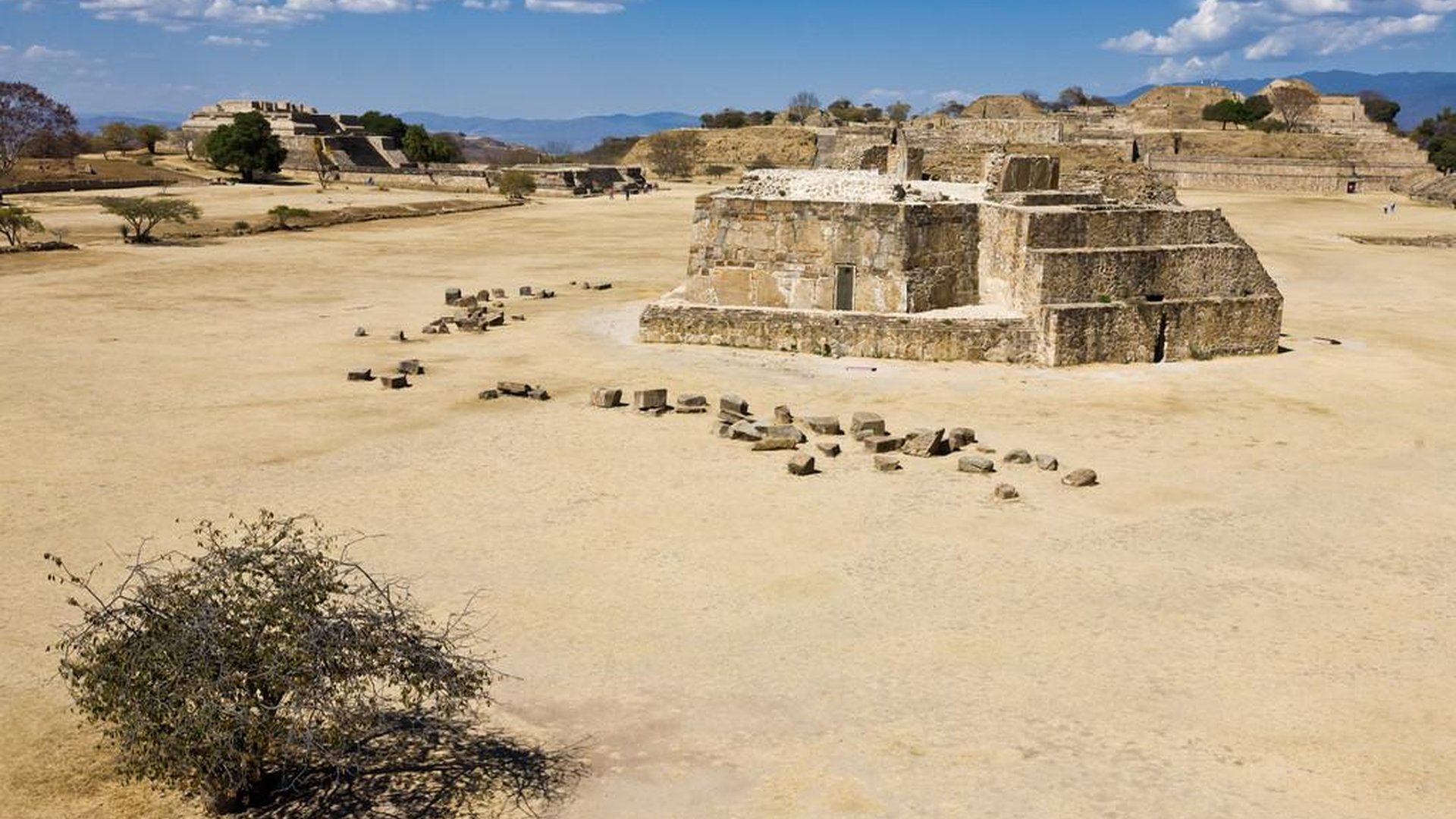
But here’s the real secret: skip the hotel chains. Book a homestay in Sichuan’s Qianxi village. I stayed with a retired teacher named Auntie Mei. She cooked me hand-pulled dan dan noodles every night, taught me how to fold paper cranes, and took me to a local festival where they lit thousands of lanterns into the sky. I didn’t need a guidebook—my host was the culture.
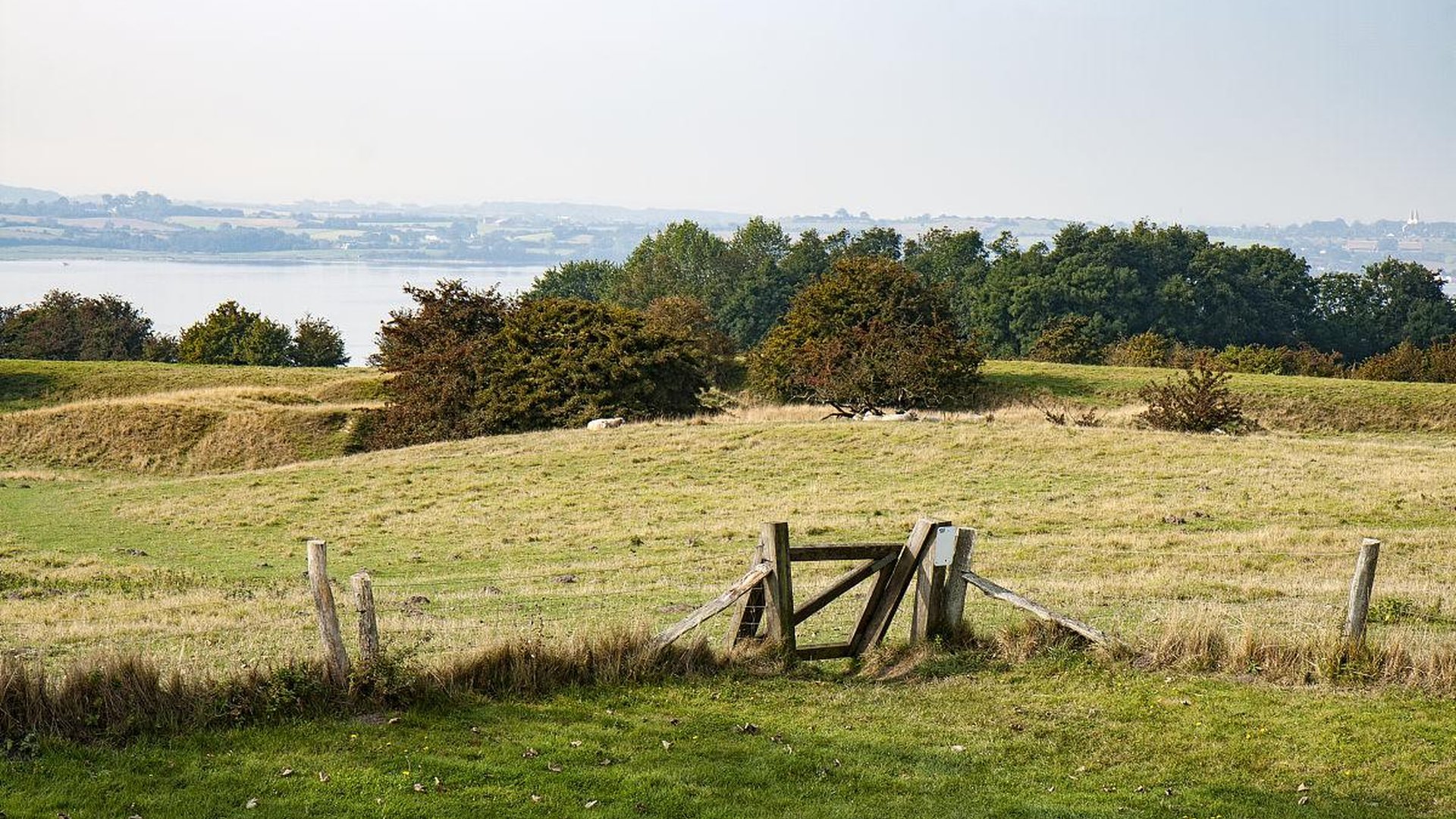
And if you’re looking for budget wins? Go in April or October. Avoid Golden Week at all costs—too packed, too expensive. Plus, spring blossoms and autumn leaves give you visual fireworks without the crowds.

Oh, and don’t skip the food. I ate a spicy fish hotpot in Chongqing that made me sweat through my shirt. But after one bite, I said, “This is why I travel.” It wasn’t just flavor—it was courage. I’ve eaten in 16 countries, but that dish made me feel like I actually belonged.
You don’t need a massive budget to see real China. A $30/day budget? Doable. Use local trains, not high-speeds. Eat at markets, not tourist restaurants. And when you feel stuck, just ask a vendor: “Where’s your favorite place?” 9 out of 10 times, they’ll point you to a hole-in-the-wall with a hand-painted sign that says nothing in English—but the food is better than any five-star menu.

So whether you’re chasing mountains, ancient walls, village life, or just a moment where you’re truly present—China in 2024 is waiting. Not the version from travel ads. Not the glossy one from social media. The real, messy, beautiful, ever-changing China. And if you go with open eyes and an open heart? You won’t just visit a country. You’ll carry a piece of it home.
Start your journey at the right place—find your path, not the crowd. China in 2024? This is more than a trip. It’s a transformation.