When most travelers think of Japan, images of Tokyo’s neon skyline, Kyoto’s iconic temples, or the cherry blossoms in spring come to mind. But beyond the well-trodden paths lies a quieter, more soulful Japan—one shaped by centuries of tradition, rugged landscapes, and untouched villages where time moves slower and culture remains deeply rooted. These are the hidden gems of Japan you can’t miss.
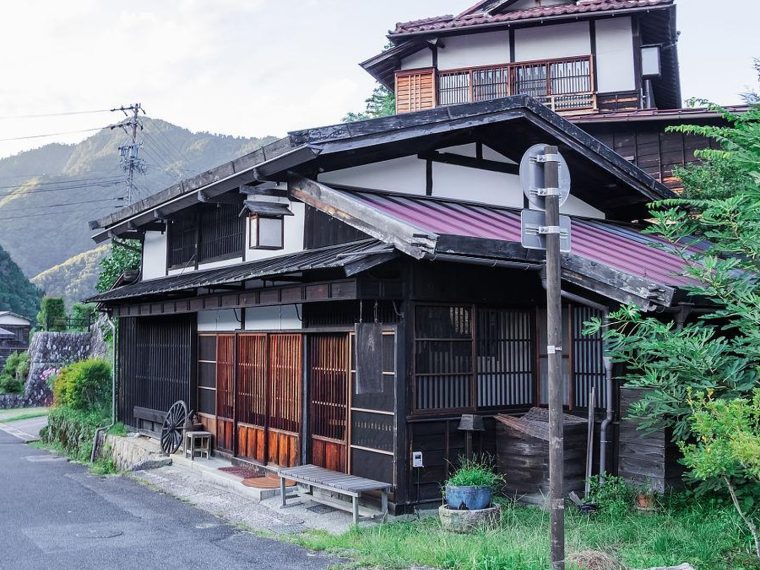
Start with Tsumago, a post town nestled along the Nakasendo Trail in the Japanese Alps. Once a crucial stop for samurai and merchants traversing the country, Tsumago still wears its Edo-era charm like a well-preserved heirloom. Wooden shop fronts line narrow cobbled streets, some housing centuries-old shops selling hand-rolled washi paper, locally brewed sake, and intricate wooden crafts. As the morning mist curls around the surrounding hills, you’ll hear the soft chime of a temple bell and the constant clatter of wooden sandals on stone. In the evening, sip on a warm cup of matcha beneath a paper lantern, and listen to locals speak in hushed tones of old rituals and seasonal festivals. This is not a performance—it’s daily life, preserved, not staged.
Next, journey to the remote village of Shirakawa-go, a UNESCO World Heritage Site known for its gassho-style farmhouses with steeply pitched roofs designed to shed heavy snow. Though it’s become famous, the village hasn’t lost its soul. At dawn, you’ll see farmers walking barefoot through rice paddies, their footsteps echoing across the misty valley. The homes, some over 200 years old, are still lived in—families continue to use traditional methods to raise silkworms and grow barley. One afternoon, follow a quiet path behind the village to a secluded waterfall where the sound of rushing water drowns out the world. There, you’ll find a single wooden bench under an ancient maple. It’s a place so still, so untouched, that you’ll almost forget you’re on a map.
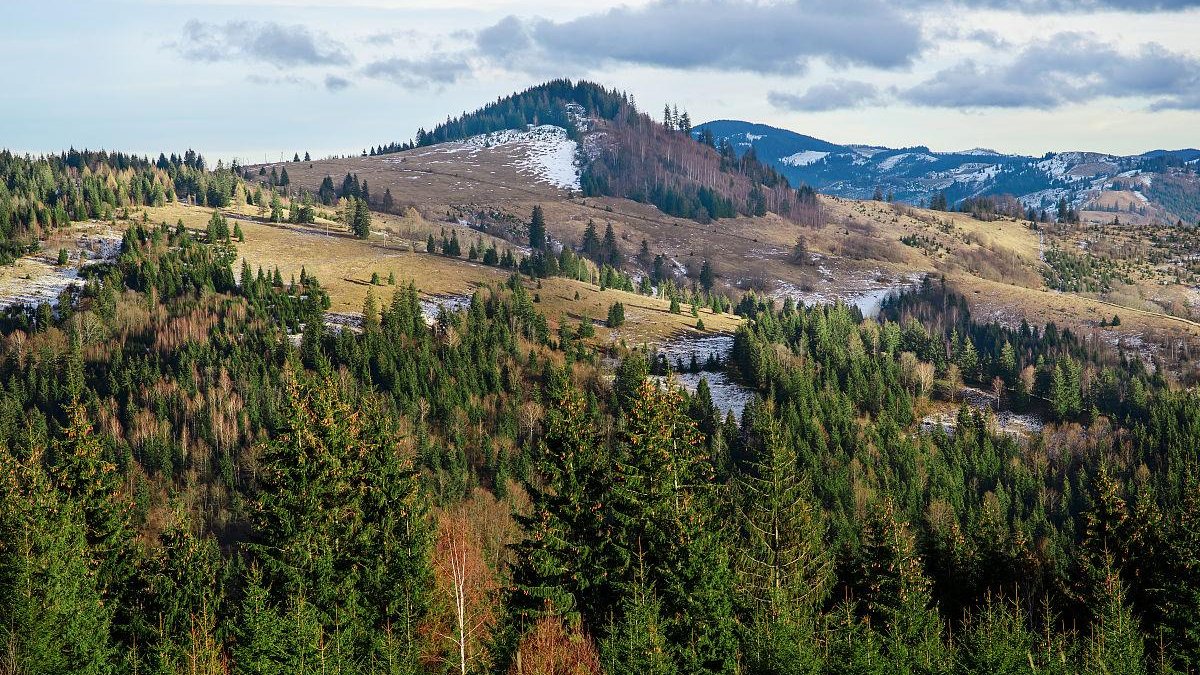
For those drawn to nature and isolation, visit the Oeyama Mountain region in the northern part of Honshu. Few tourists make it here, but the reward is unmatched. At the base of the forested slopes lies a tiny hot spring resort called Kusatsu Onsen, but don’t mistake it for the commercialized baths of bigger cities. This is where locals go to heal—quiet, private, and steeped in ritual. The water here is rich in minerals, said to soothe arthritis and stress after just one soak. Early morning at Kusatsu, as the sun peeks through pine trees, you might see elderly women in yukata carrying buckets of hot water to their private bathhouses, laughing quietly as they wrap in towels. It’s a moment of quiet dignity, not postcard perfection, but real.
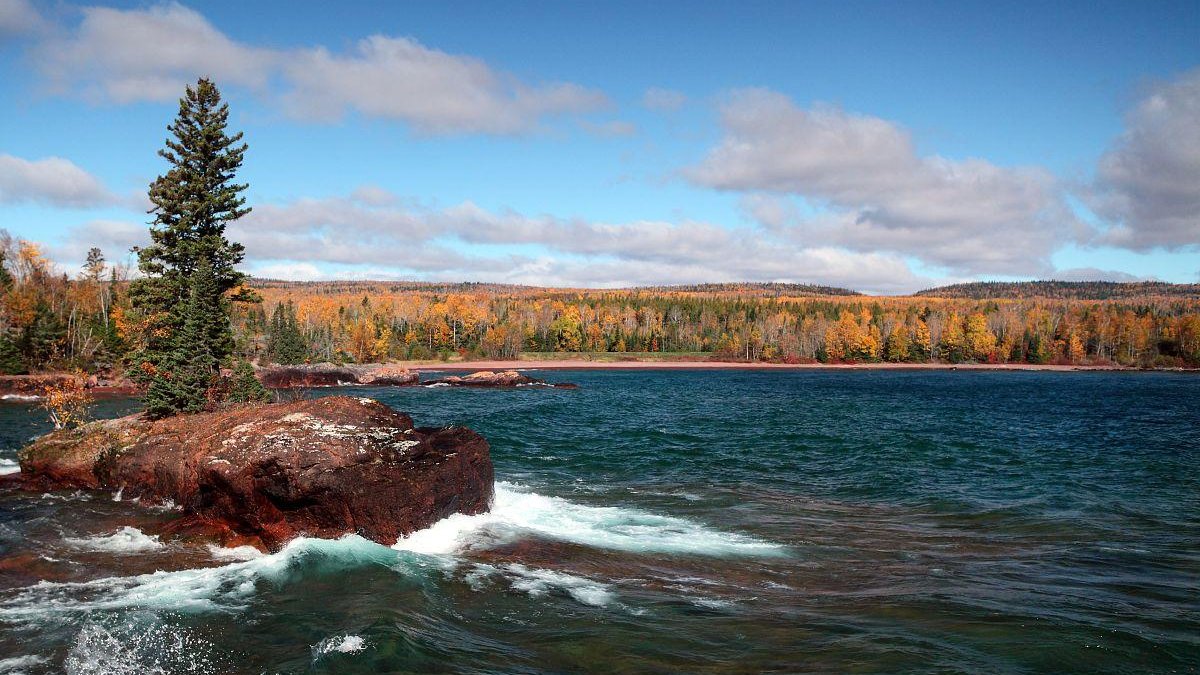
And then there’s the beauty of Aomori’s Lake Towada. Surrounded by dramatic volcanic peaks, the lake shifts colors with the weather—emerald green on sunny days, deep sapphire under storm clouds. In late autumn, the surrounding maples turn into fire, casting reflections across the still surface like a painting. Visitors often come just to walk the wooden boardwalk that winds through the grove, but for the true magic, stay overnight in a traditional ryokan that overlooks the water. Wake up to the call of a kestrel, sip on locally grown green tea, and watch as mist rises from the lake like a dream. It’s not the most famous place in Japan, but it’s among the most memorable.
Why these spots matter isn’t just about beauty—it’s about authenticity. In cities, you’re surrounded by guided tours, translated signs, and curated experiences. But in these hidden corners, culture isn’t served—it’s lived. You’ll taste food that hasn’t been massaged into tourist-friendly forms. You’ll hear dialects that scholars can’t fully translate. You’ll see rituals passed down not in books, but in the hands of elders, their fingers moving with years of practice.
Best World Tours understands that true travel isn’t about visiting every popular landmark. It’s about finding those rare moments when the world feels still, when you’re not just a spectator but part of a quiet rhythm that has existed for centuries. That’s why our travel experts focus on authentic, small-scale experiences—like staying in a family-run guesthouse in Tsumago, or hiking to a remote shrine in Oeyama with a local guide who shares stories never printed in a brochure.
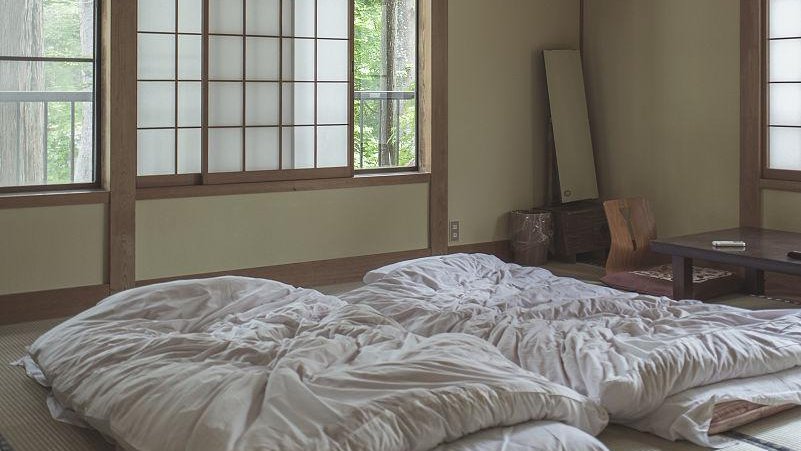
These are not just places to see—they’re experiences to carry home. A night spent on a wooden floor in a 19th-century home, the sound of wind in the eaves. A meal of fermented soy and river fish, served with a bow. The feeling of standing alone in a snow-covered valley, knowing you’ve found something that was never meant for crowds. Japan’s hidden gems don’t shout. They whisper. And if you listen, they’ll tell you what real travel feels like.
So next time you plan your journey to Japan, skip the overpackaged tours. Choose the quiet path. Let the mist rise. Let the stone steps echo. Let your heart slow down. Because the most unforgettable parts of Japan aren’t on any map—not yet.