Uncover the World’s Most Breathtaking Landscapes isn’t just a dream—it’s a reality within reach, especially if you’ve got a backpack, a sense of curiosity, and a healthy respect for local rhythms. I’ve spent the past eight years chasing sunrises over glaciers, hiking through valleys that look like they were painted by gods, and sleeping under stars so dense they feel like velvet. And let me tell you, the most unforgettable moments never come from a brochure—they’re born from real walks, real sunsets, and real dirt under your nails. Here’s what really works when you’re chasing beauty that takes your breath away, without blowing your travel budget.
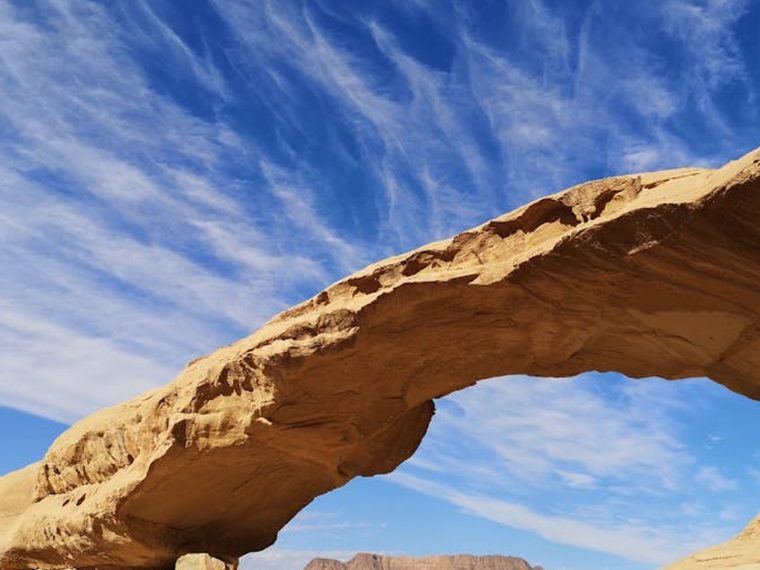
Let’s start with Jordan’s Wadi Rum. I arrived there on a dusty Tuesday, exhausted from a 12-hour bus ride from Amman. The wind was howling, carrying sand like whispers from the desert’s soul. I wasn’t sure what to expect—just a tent, a Bedouin guide named Khalid, and a promise to see the valley at dawn. By 5 a.m., I was crouched on a sandstone mesa, watching the first light paint the red cliffs in gold. The entire canyon glowed like it was lit from inside. No crowds. No Instagram filters. Just me, a thermos of strong Arabic coffee, and the kind of silence that makes you feel small in the best way. That moment, I realized: the world’s most breathtaking landscapes aren’t about access—they’re about presence. You don’t need a luxury tour. You just need to show up, eyes open, and stop scrolling.
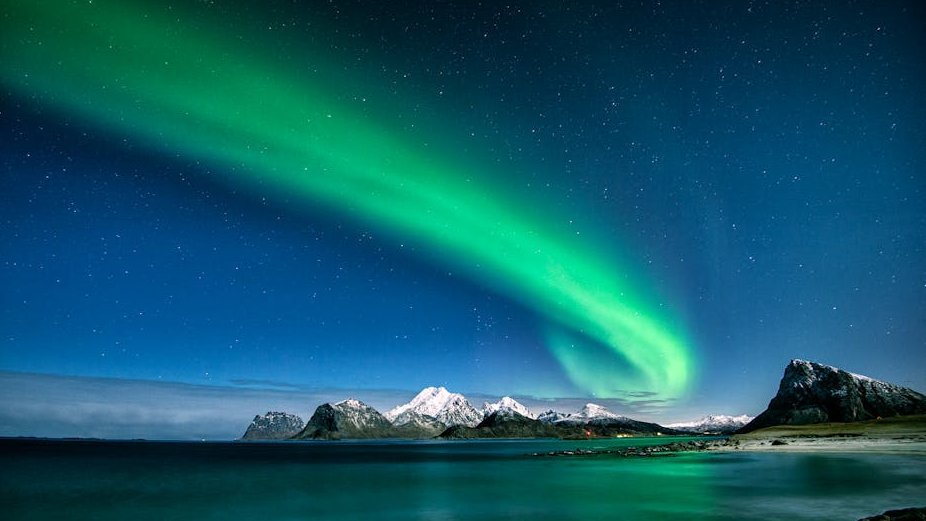
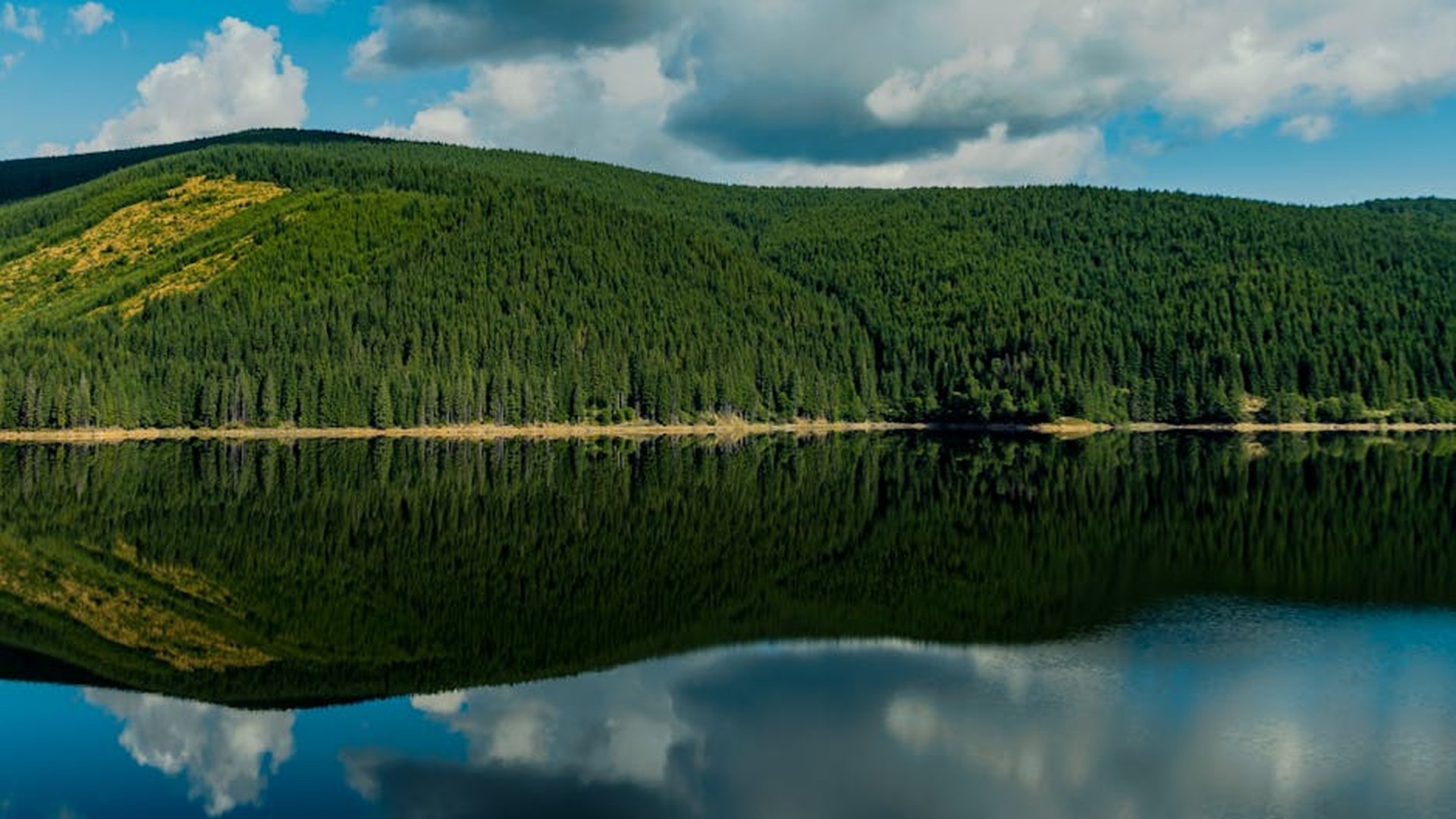
Then there’s Norway’s Lofoten Islands. I went in late September, just when summer was fading into that soft, melancholic autumn light. I booked a simple cabin near Reine, paid under $80 a night, and walked the same coastal path every day. On my fourth morning, I stepped out into a fog so thick it felt like walking through a dream. Then the mist parted, and I saw it: the jagged peaks of the Lyngen Alps reflected in a glassy fjord, untouched by tourism. A lone fisherman’s boat drifted in the distance. I sat on a rock for two hours, not moving, just watching the light shift across the water. No guidebook told me to go there. No highlighter mark on any map. But that’s exactly why it felt so wild, so sacred. For under $500, I got more than a vacation—I got peace, perspective, and a photo I never even took because it was too perfect to capture.
These aren’t just pretty spots. They’re proof that you don’t need top-tier spending to find beauty that changes you. I’ve seen people waste $3,000 on a “bucket list” trip to Venice and leave empty-handed because they only photographed the crowds, not the quiet moments between them. But when you go small—book a local homestay, take the regional train, talk to the shopkeeper who’s been there for 40 years—you start to see the world in color again.
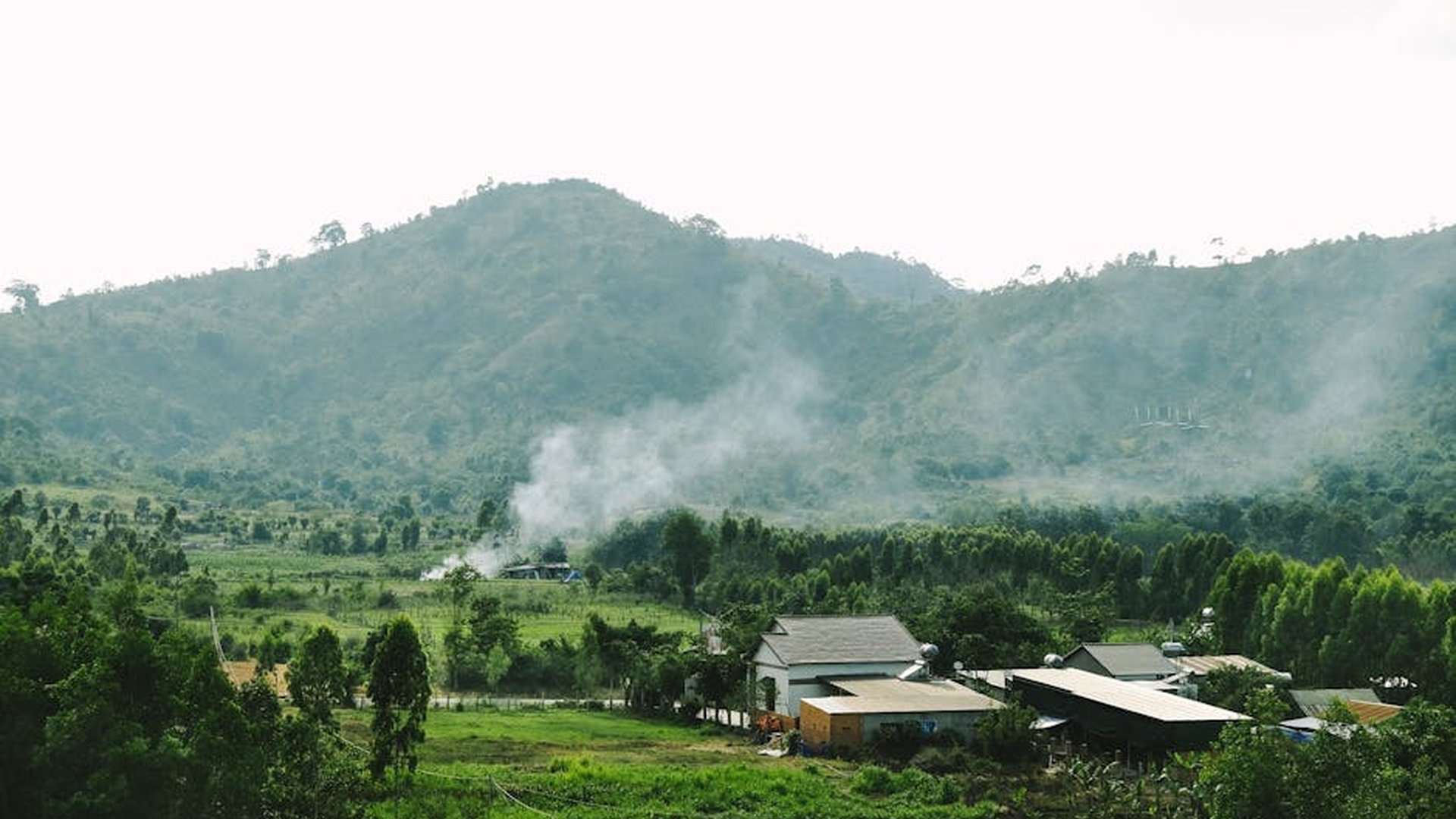
And here’s the secret no one tells you: the most breathtaking landscapes often hide in the places that don’t scream for attention. Take Slovenia’s Soča Valley. I arrived on a whim during a sudden rainstorm. No plan. No reservation. Just a hostel in Bovec, a backpack with one change of clothes, and a desperate wish to get off the trail map. I walked the river on foot for three hours, my boots soaked, laughing at how ridiculous I looked in a plastic poncho. Then, around a bend, I saw it: emerald waters slicing through a canyon of mossy cliffs, snow-capped peaks in the distance, and a wooden bridge so ancient it looked like it had been left behind by a forgotten war. No tourism board, no tour group, no sign. Just nature, raw and unbothered. I sat there for 90 minutes, not thinking, not editing, not posting. I was just… there.
Now, I know what you’re thinking: “But isn’t it risky to travel this way?” Not really. The smartest travelers don’t chase luxury—they build flexibility. I always carry a foldable water bottle, a solar charger, and a pocket-sized guidebook (yes, old-school). I use apps like Maps.me for offline navigation, and I book last-minute hostels through Booking.com’s 24-hour cancellation policy. If you plan it right, you can stay in a mountain village in Nepal for $12 a night, eat fresh dal bhat for $2, and still see the Himalayas at dawn. It’s not about spending more. It’s about doing less—and doing it better.
And here’s a truth I’ve learned: the world doesn’t care how much you spent. It only cares if you were awake. That moment in Iceland’s Skaftafell National Park, when I stood alone in front of a frozen waterfall, hearing the ice crack like fire in a cave—that was worth every penny, every mile, every doubt. I wasn’t on a curated itinerary. I wasn’t tagging a location. I was just… human, in awe.
So if you’re a 30-something urban professional tired of the same office routine, tired of the same city streets, tired of content that doesn’t feel real—go. Not to the hotspots. Not to the ones with 20,000 Instagram posts. Go where the map ends. Go to the roads that don’t have signs. Go to the towns that only show up on a 1998 atlas. You’ll find landscapes not just breathtaking—but transformative.
Because the world is full of magic. It’s not in the hotels. Not in the flights. Not in the hashtags. It’s in the stillness between breaths. In the way light hits a cliff at 6:05 a.m. In the smell of rain on hot stone. In the quiet hours before the world wakes up.
So pack light. Stay curious. And always, always let the landscape speak first—before you open your mouth to talk about it.