
China Travel Guide Tips from Local Experts
China isn’t just a destination—it’s a story unfolding across ancient cities, misty mountains, and bustling megacities. Whether you’re drawn to the Great Wall’s grandeur, the silent elegance of Beijing’s Forbidden City, or the electric buzz of Shanghai’s skyline, planning your journey right makes all the difference. That’s why we turned to local experts—tour guides, historians, and lifelong travelers—to share real, practical advice that goes beyond the guidebooks. These aren’t just tips; they’re keys to unlocking a deeper, more authentic experience.
First, timing matters more than you think. Avoid the National Day holiday (October 1–7) and Spring Festival (Chinese New Year), when cities like Beijing and Shanghai spike in crowd levels and prices. Instead, aim for late April to early June, or mid-September to mid-October. These shoulder seasons offer warm weather, fewer tourists, and clearer skies. One Beijing-based tour operator, Li Mei, says, “In mid-September, the air is crisp, the cherry blossoms have faded, and the Forbidden City feels like it’s breathing again.” Don’t miss the Li River cruise in Guilin during these months—the mist curls over the limestone peaks like a dream.
Next, ditch the idea of sticking to major cities alone. While Beijing, Shanghai, and Guangzhou are must-sees, the true soul of China lives off the beaten path. Consider Dunhuang in Gansu Province, where the Mogao Caves glow under moonlight, or the village of Zhongdian in Yunnan, where Tibetan monks chant in stone temples perched above alpine meadows. Local travel blogger Zhao Lei, who grew up in Sichuan, warns: “Tourists flood on the main routes, but step into a village like Siguniang in the western Sichuan hills, and you’ll see rural China the way it’s meant to be—full of life, music, and a quiet warmth.” He recommends booking homestays through local co-ops instead of big platforms. Not only does it support families, but you’ll get better meals, like steamed buns with homemade chili paste, and real stories over tea.

Transportation can be overwhelming if you’re not prepared. China’s high-speed rail network is among the world’s best—fast, clean, and efficient. But here’s a local secret: book tickets 30 to 45 days ahead to guarantee a seat. Use the 12306 app—you’ll need a Chinese phone number or a trusted local to help with verification. Once on board, choose a window seat on the right (for the view to your left as you travel). And if you’re heading to Xi’an, don’t skip the 10:15 a.m. train from Zhengzhou—it cuts through the Qin Mountains, and the changing light on the cliffs is breathtaking.

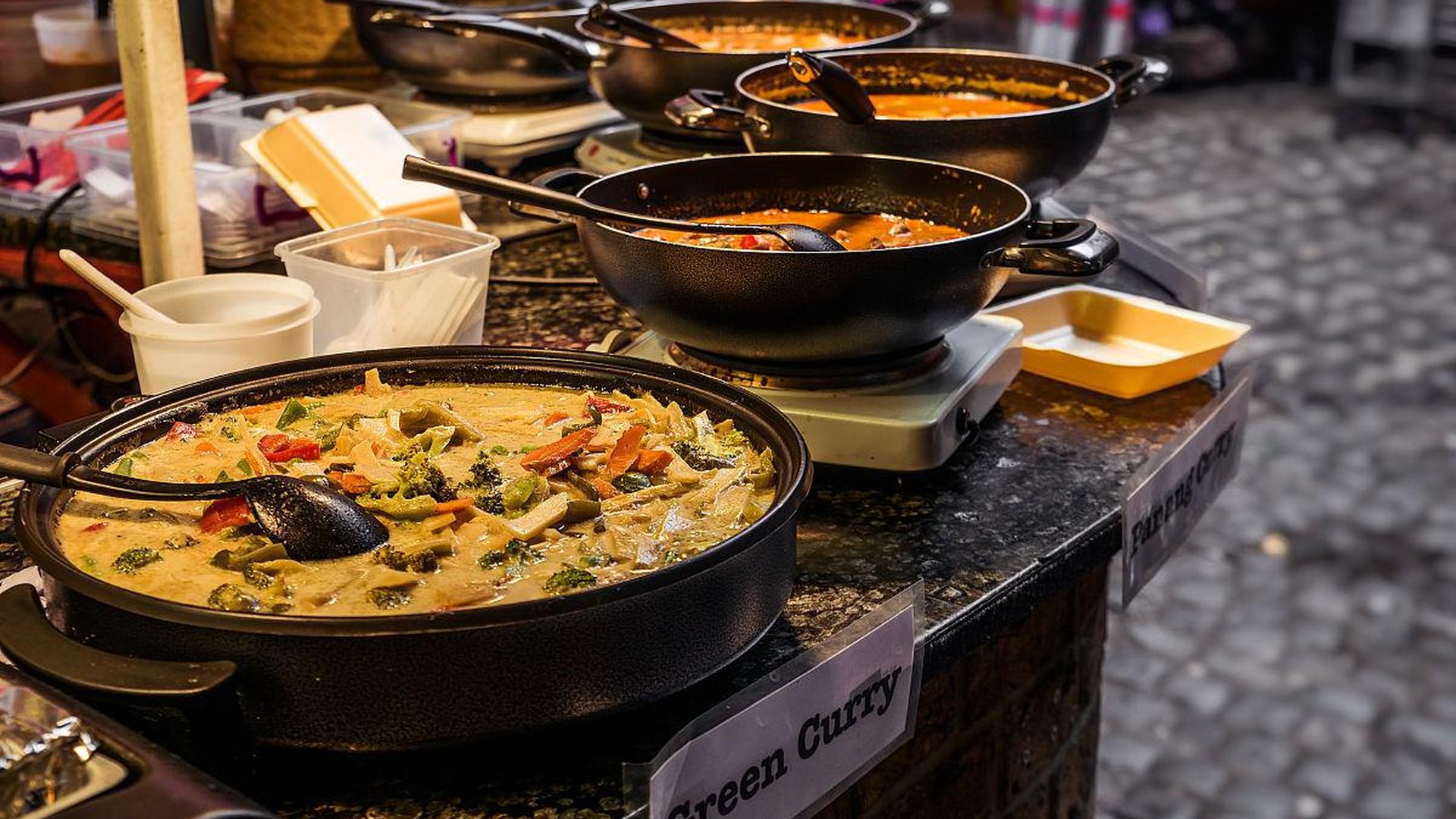
Food is more than sustenance—it’s culture. In Chengdu, hotpot isn’t just a meal; it’s a ritual. Local expert Zhang Wei, a former chef, says, “At the right place, you’ll see the broth bubble and steam rise, and someone will hand you a slice of beef and say, ‘Try it now—before it’s done.’ That’s when you feel the spirit of the city.” His advice? Go to a neighborhood spot, not a tourist trap with English menus. Look for signs with only Chinese characters and chewy, handmade noodles. Also, carry a small travel flask with boiled water—some restaurants don’t offer clean drinking water, especially in rural areas.
Respect the rhythm of local life. In rural Anhui, the ancestral halls stay open late for evening rituals. In Beijing, it’s common to see elders sitting in parks, playing chess or tai chi. Don’t interrupt. If you’re visiting a temple, wear modest clothes—covers shoulders and knees. And never point at people or objects with your finger; use a palm instead. These small gestures build trust and connection.
One traveler in Hangzhou shared how a simple conversation with a local fisherwoman changed her trip. She was struggling to find a quiet spot on West Lake when the woman offered her a seat on the wooden dock, said, “The wind brings the willows closer,” and handed her a cup of mugwort tea. “I didn’t understand a word,” she said, “but I felt at home.” That’s the magic of China: moments like these aren’t scripted, but they wait for those who pay attention.
Lastly, stay connected. Download the WeChat app before you arrive—many services, like subway payments, hotel check-ins, and even restaurant reservations, are handled here. If you don’t have a Chinese number, ask your hotel to help set up a temporary account. Also, carry a universal power adapter and a small backup battery—outlets in older hotels can be unreliable.
China isn’t about perfect itineraries. It’s about moments—an old man selling steamed buns at dawn, a child chasing butterflies in a courtyard, a hidden courtyard in Luoyang where a stone bridge leads to a 1,300-year-old pagoda. These aren’t tourist sights. They’re real life.

So when you plan your journey, don’t just follow a checklist. Listen to locals. Learn a few phrases. Accept a cup of tea. Let go of expectations. Because the best travel guide isn’t written—it’s lived, whispered by the people who call this country home.
China Travel Guide Tips from Local Experts—your journey, your story, your way.