Explore the Wild Beauty of Patagonia’s Untamed Trails
There’s a place where the wind doesn’t just blow—it roars. Where mountains rise like ancient sentinels, carved by glaciers and time. Where the sky stretches so wide, you feel small, not in a bad way, but in a way that reminds you you’re alive. That place is Patagonia. And if you’ve ever dreamed of hiking through untouched terrain, breathing air that tastes like freedom, then this is your sign.
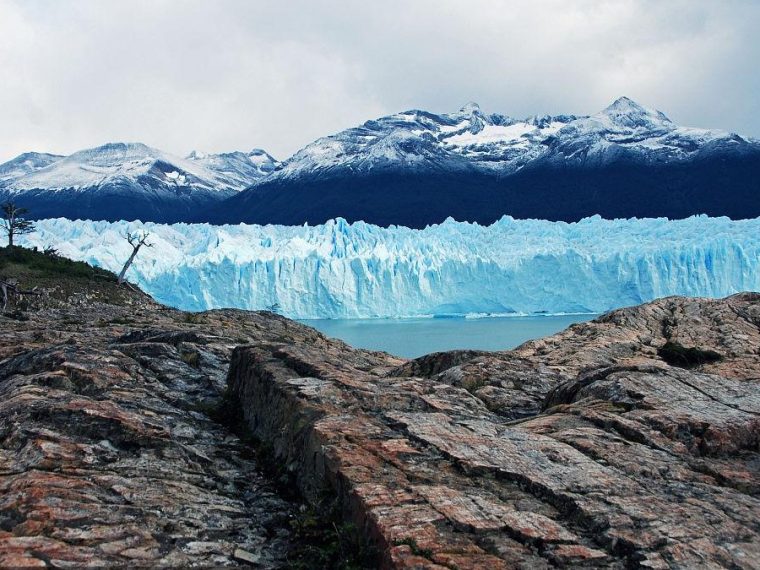
I’ve walked these trails for over six years—across Argentina, Chile, and the remote corners of both nations—and I still get emotional standing at the edge of Lago Grey, watching icebergs drift like slow-moving thoughts across the mirror of a blue-green lake. This isn’t just another travel destination. This is a full-sensory awakening.
Why Patagonia Still Feels Uncharted
Most people think of Patagonia as a single region. But it’s not. It’s a vast, wild expanse stretching from southern Argentina through southern Chile, covering over 600,000 square kilometers. And despite the rise of travel content, much of it remains untouched by tourist crowds. I’ve hiked in the Torres del Paine National Park in Chile and found myself alone for hours, watching condors circle above the granite spires. That still happens. Even in high season.
And it’s not just about isolation. It’s about authenticity. Few places on earth still feel this wild. You’ll see no billboards. No chain restaurants. Just timber huts, dusty trails, and stars so bright they look like they’re within reach.
My Top 3 Trails That Changed How I See Nature
Not all trails are created equal. Some are easy. Some are brutal. And some? They’ll rewrite your understanding of beauty.
The W Circuit in Torres del Paine is maybe the most famous, and for good reason. It takes 4–5 days to complete, winding through fjords, alpine meadows, and river crossings where you must use your hands to pull yourself across slippery stones. But during my third night, as I sat near the base of the Cuernos peaks under a sky full of stars, a sudden burst of wind shook my tent and I swear I heard the mountains breathe. I cried—not from sadness, but from sheer awe. That’s the magic.
Then there’s the Fitz Roy Trek in El Chaltén, Argentina. Few hikes match the drama here. You’re not just walking; you’re measuring your progress against a 3,000-meter peak that looks like a blade slicing through the clouds. And on a clear day, when the sun hits the granite face and turns it gold, it’s like the mountain is on fire. I met a solo backpacker from Berlin who’d walked 600 kilometers to reach this point. He said, ‘I’ve traveled everywhere, but this is the only place I felt my soul was full.’ That’s powerful.
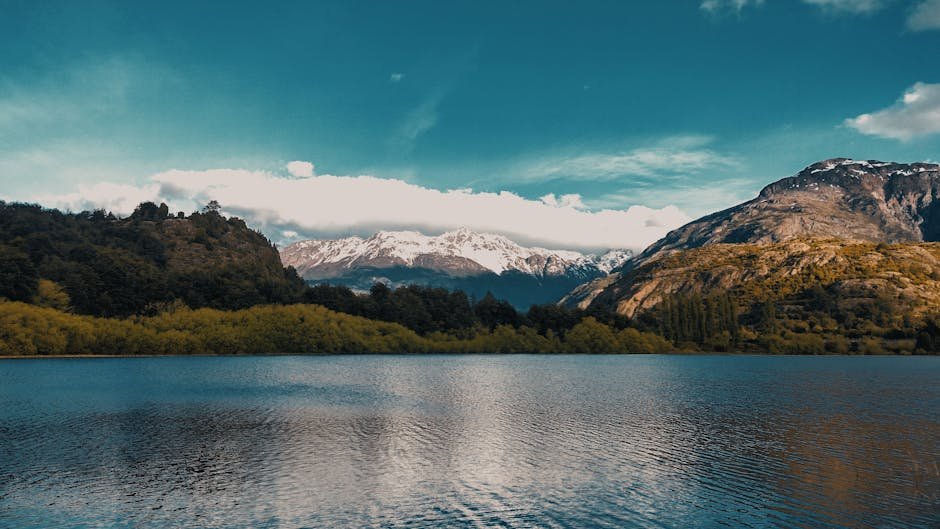
The third trail? The lesser-known Valle del Cesar in Patagonia’s Aysén Region, Chile. Few tourists go here, but the views are worth any difficulty. You’ll cross rivers on rope bridges, navigate steep rock faces, and end at a hidden lagoon where the water glows electric blue. I arrived at dawn, and the only sound was a trickle of ice melting into a stone basin. I sat there for 40 minutes, not moving, not thinking—just being.
What to Pack (And What to Leave Behind)
I’ve made every mistake a hiker can make—brought too much, not enough, packed the wrong shoes. Let me save you from that.
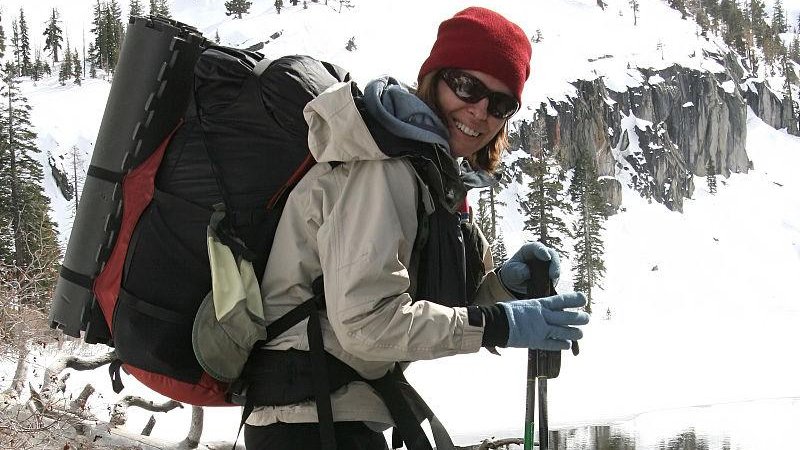
First, never underestimate the weather. In Patagonia, you can experience four seasons in one day. I once started a hike in rain, ended in snow, and sat under a clear sky that turned pink just as the sun set. So pack a waterproof shell, not just a light jacket. Layering is everything.
Second, your boots. Get them tested before you go. I learned that the hard way in the Andean foothills—my feet were blistered after 12 kilometers. Invest in a good pair with ankle support. And don’t forget to break them in on shorter hikes before committing.
Third, leave your phone behind unless it’s for emergencies. I’d see hikers taking photos every 100 meters, missing the real moments—the wind in the grass, the way moss clung to stone, a fox darting through the underbrush. I never took a photo on the Fitz Roy trek. I only remembered it because I let it live in my mind.
And yes, bring a small notebook. I write down thoughts as I walk—some of my best travel ideas came to me while sitting on a rock, watching a storm roll in.
How to Plan Without Losing the Magic
One thing I’ve learned over years of guiding and hiking: too much planning can kill the soul of the trip. But zero planning? That’s risky.
Here’s my sweet spot: book your base camp (like El Chaltén or Puerto Natales) a week in advance, especially in peak season (November–March). Most lodges have limited spots. But once you’re there, don’t lock in every detail. Let the weather, the mood, and the locals shape your path.
I met a family from Seattle on the W Circuit last winter. The mom said, ‘We planned everything down to the minute.’ Then a storm hit, roads were blocked. They had to stay one extra night. Instead of panicking, they built a fire, told stories, and danced under the stars. By the end, they said, ‘This was better than our plan.’ And they were right.
Also, always check local permits. In Chile, you need a trekking permit for Torres del Paine. In Argentina, some parks require pre-booking. Missing this means getting turned away—or worse, being stranded.
Final Thought: This Is More Than a Hike
Patagonia isn’t a destination to tick off. It’s not about how many photos you take or how many miles you log. It’s about presence. It’s about standing at the edge of a cliff and realizing you’ve never felt more connected—to nature, to yourself, to the moment.
When I left Patagonia this summer, I didn’t say goodbye. I said, ‘See you again.’ Because this place doesn’t let you go. It stays with you. In your breath. In your steps. In the way you look at the sky now, always wondering, just a little, if you might hear it whispering back.