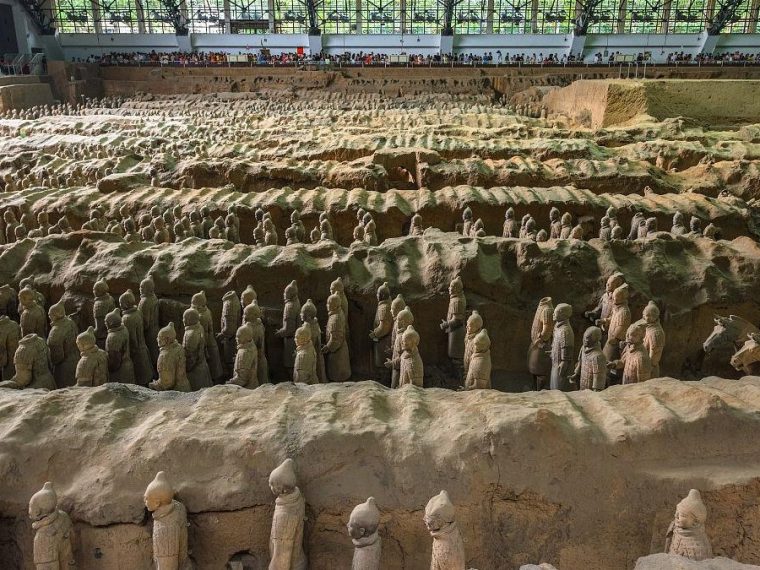
The Timeless Majesty of the Terracotta Army
Few experiences in travel match the awe of standing before the Terracotta Army in Xi’an. Hidden beneath the soil for over 2,000 years, this underground army of life-sized soldiers was buried with China’s first emperor, Qin Shi Huang, to protect him in the afterlife. As you walk through the vast excavation site, the sheer scale becomes overwhelming—thousands of clay warriors, each with unique facial features, poised in formation. The level of craftsmanship is astonishing: every helmet, every weapon, even the horses’ manes are sculpted with care. This isn’t just a museum piece—it’s a living testament to imperial ambition and ancient engineering. What makes the visit even more powerful is the quiet solemnity of the site, where time seems to pause. Many travelers describe their first glimpse as transformative, a moment that doesn’t just inform, but moves. Whether you’re a history buff, a casual sightseer, or someone seeking deeper meaning in travel, this is not to be missed.
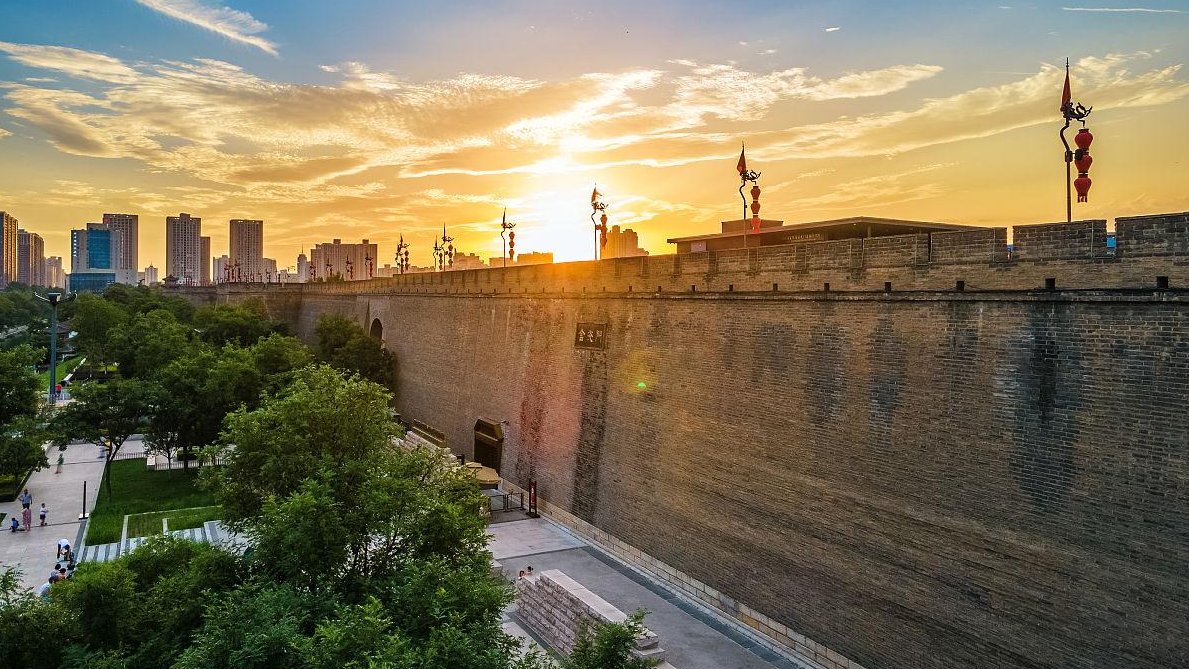
Walking the Ancient Wall of Xi’an: Where Past Meets Present
The city wall of Xi’an is more than a historic relic—it’s a pulse of daily life wrapped in centuries-old stone. Stretching over 13.7 kilometers, it’s the largest and best-preserved city fortification in China. But here’s what most travelers don’t expect: you can rent a bike and ride along its top, with views of modern city life below and the distant silhouette of the city gate in the distance. The moment you touch the worn bricks, you feel the rhythm of generations. Locals jog, play music, and teach tai chi at dawn. Children run ahead, laughing as their shoes echo on the ramparts. At sunset, the sky turns gold, and the fading light glints off the pagodas beyond. This isn’t a passive experience; it’s a convergence. You aren’t just viewing history—you’re walking through it, stepping into a narrative that continues to unfold. It’s one of those rare places where you can feel the heartbeat of a civilization, not from a distance, but from within.
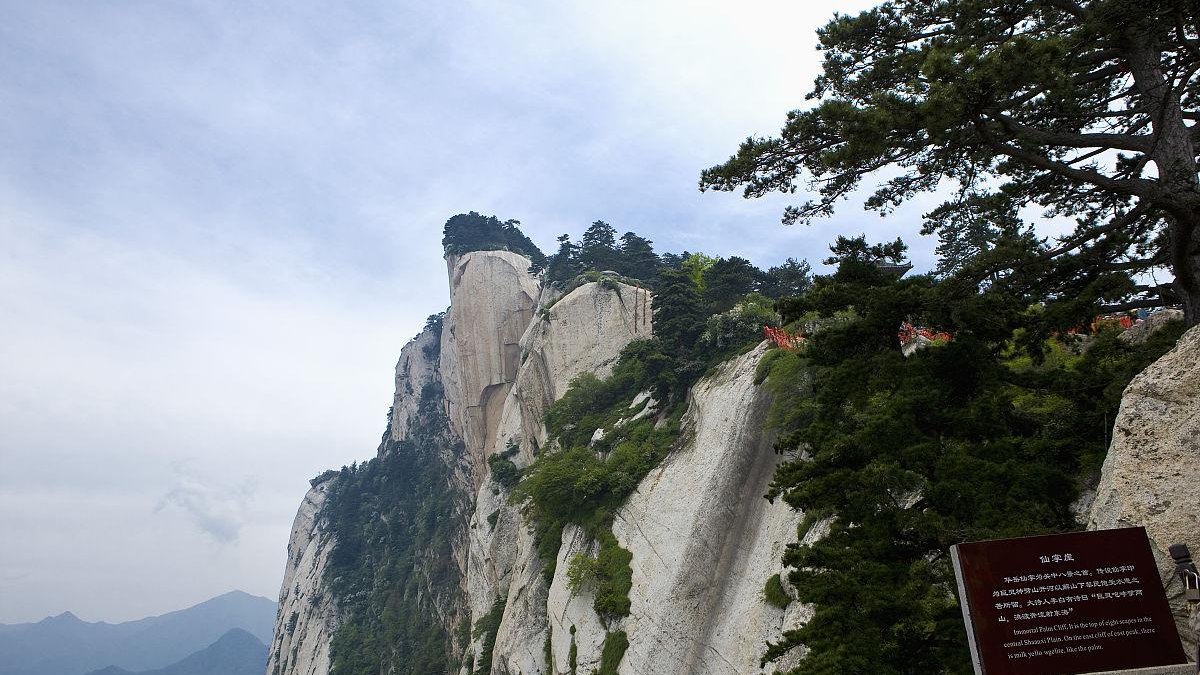
Mount Hua: A Spiritual Climb Beyond the Ordinary
If you’re drawn to adventure and the spiritual depths of nature, Mount Hua in Shaanxi offers a journey unmatched in its intensity and beauty. Known as one of China’s Five Great Mountains, it stands more than 2,000 meters above sea level and is famous for its dangerous, narrow paths carved into sheer cliffs. The climb requires not just stamina, but courage. Thousands of steps zigzag up the rock face, some so narrow that you’re pressed against the stone with only a metal railing for support. At one point, a wooden bridge stretches across a deep gap—you can feel every creak beneath your feet. Yet, for every challenge, there’s a reward: a sanctuary perched on the edge of a cliff, a temple where monks chant under a canopy of mist. At the summit, the view is breathtaking: endless clouds below, the sky stretching endlessly above. Many hikers say their most profound travel moment came not at the top, but during the climb—at the point they questioned their strength, only to find it. Mount Hua isn’t just a destination; it’s a rite of passage.
The Hidden Charm of Hanzhong: Beyond the Tourist Trail
While Xi’an draws the crowds, Hanzhong—a lesser-known city in southern Shaanxi—holds a quieter magic. Nestled between mountains and rivers, it’s a place where history and nature share a gentle dialogue. The Hanzhong Museum opens with a quiet collection of Han dynasty artifacts, but it’s the surrounding countryside that captivates. Village homes made of weathered wood, farmers tending rice paddies in patterns that mirror ancient maps, and the soft hum of water wheels turning in moonlight. One unforgettable experience happens at dusk near the Han River, when paper lanterns float down the stream, tied to small wooden boats. Locals say they honor ancestors this way, and tourists are often invited to join. It’s not glamorous, not filtered for Instagram—but it’s real. This is hospitality without pretense, beauty without noise. For travelers who crave authenticity over spectacle, Hanzhong stands as a quiet promise: sometimes, the most lasting memories come not from famous sites, but from unexpected moments.
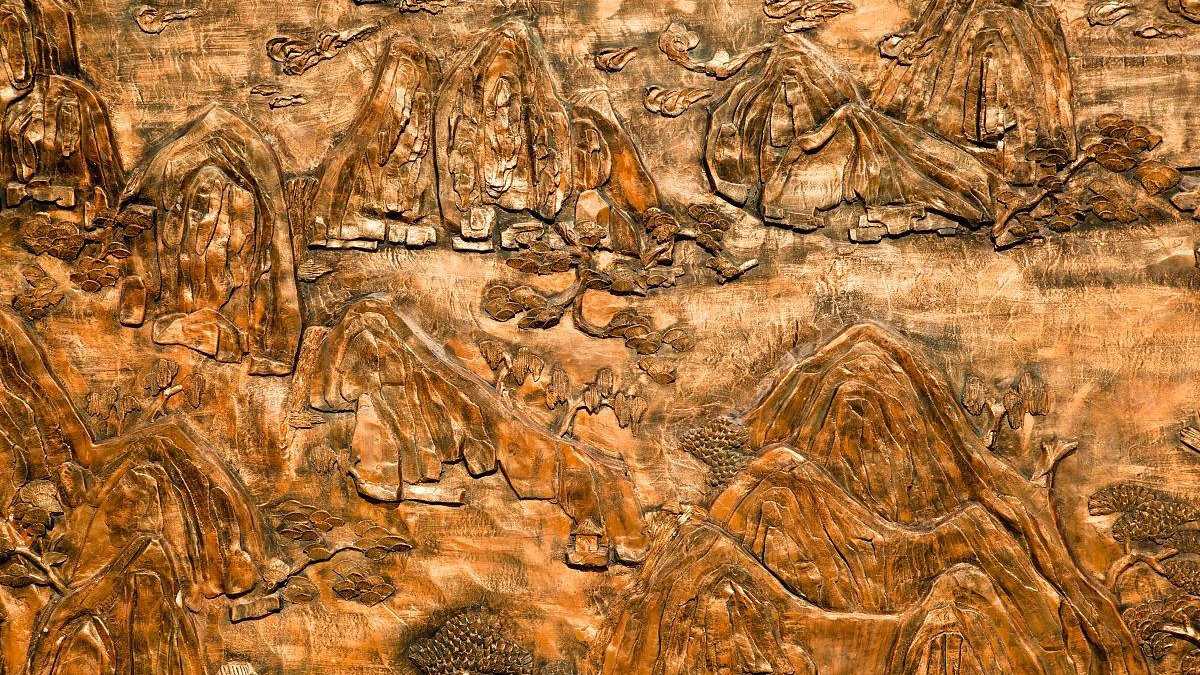
Why Shaanxi Still Holds a Place in the World’s Heart
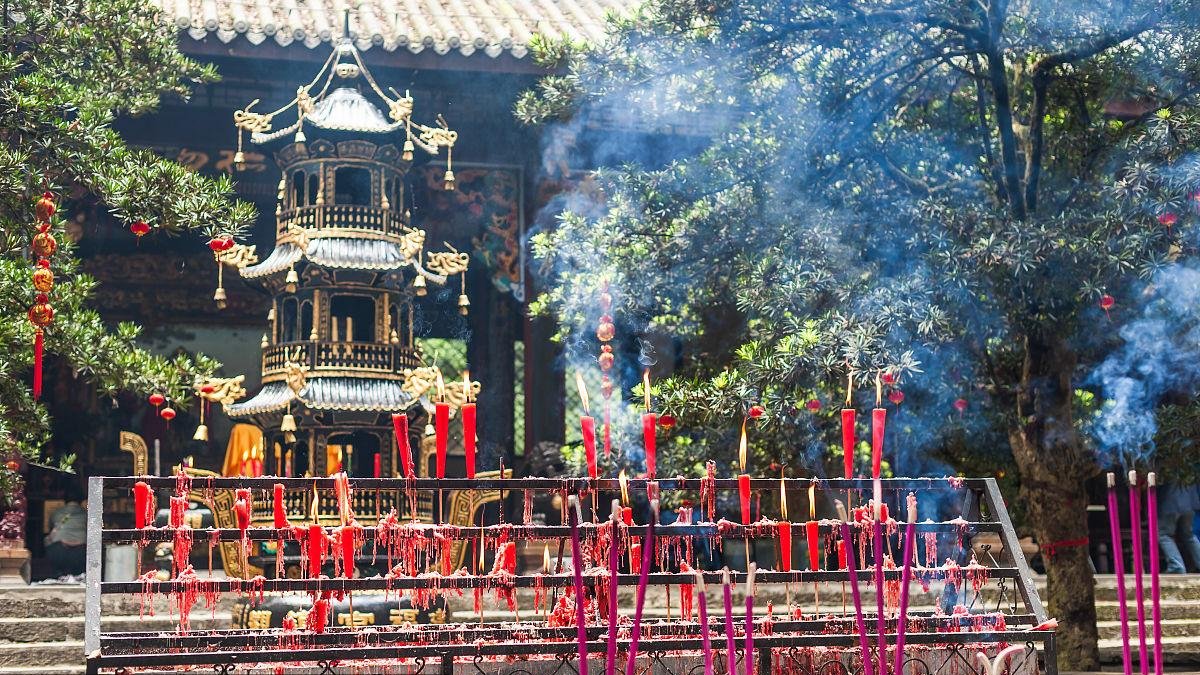
What makes Shaanxi so unforgettable? More than just landmarks, it’s the way history feels tangible here. You can touch the walls, hear the wind echo through ancient gates, smell the incense drifting from mountain shrines. These aren’t stories from a book—this is living heritage. Whether you’re drawn by the military precision of the Terracotta Army, the quiet bravery of Mount Hua, or the gentle rhythm of Hanzhong’s riverside evenings, each journey reveals a different layer of China’s soul. And it’s not just for people who love the past. Modern Shaanxi pulses with energy—Xi’an’s food markets are alive with sizzling skewers, fresh dumplings, and the scent of spiced lamb. But even in these bustling streets, you can still find stillness: a temple bell ringing at midnight, a stray cat curled in front of a carved gate, a child drawing on the wall with chalk. These details are what turn a visit into a memory. For travelers seeking more than a checklist, Shaanxi offers depth, texture, and meaning. It’s not just a stop on a map—it’s a place that changes you, quietly, slowly, but surely.