Why Tokyo Isn’t the Whole Story
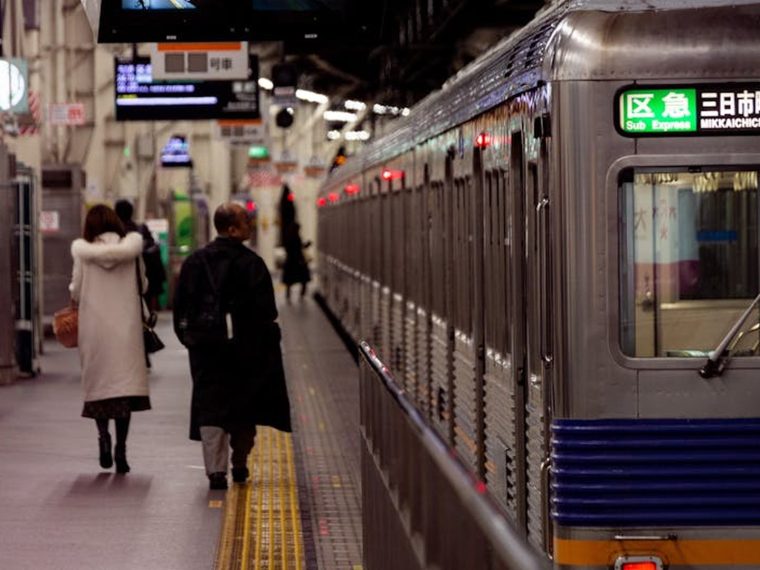
Tokyo often steals the spotlight—its neon-lit streets, bustling train stations, and futuristic skyscrapers are impossible to ignore. But for travelers seeking more than just cityscape and convenience, Japan holds far deeper treasures. Beyond the capital’s electric energy lies a quieter, more authentic Japan—one shaped by centuries of tradition, untouched nature, and heartfelt hospitality. This is where the real magic unfolds. Many visitors rush to Tokyo, only to miss the serenity of a rural onsen town or the quiet awe of a temple hidden in the misty hills. If you’re looking for more than postcard views, it’s time to look beyond the map’s main route.
The Tranquil Beauty of Takayama
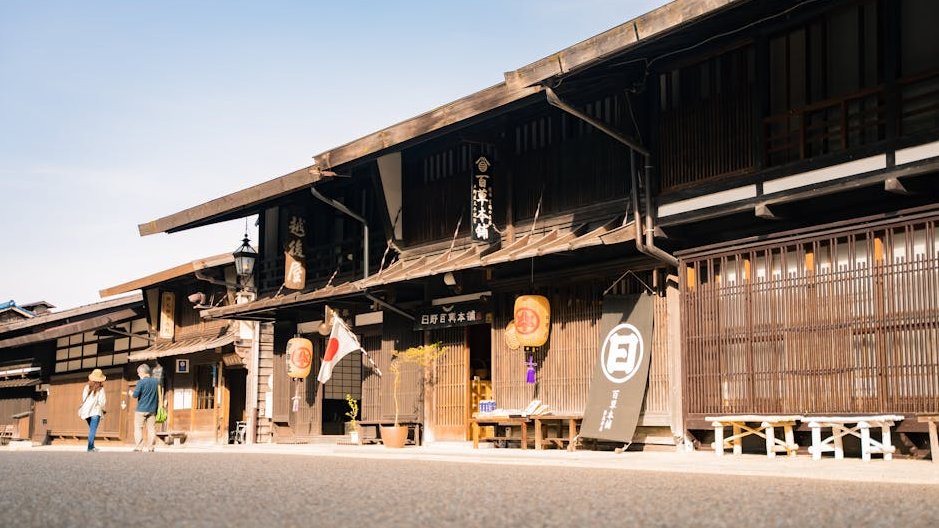
Tucked away in the Japanese Alps, Takayama is a gem that feels like it stepped out of a scroll painted in ink and water. Once a bustling castle town, it now preserves its Edo-era charm with wooden merchant houses, narrow cobbled alleys, and hand-carved wooden gates. As you wander its quiet streets, the air carries the faint scent of cedar and freshly baked melon bread. Home to the annual Takayama Festival, the town bursts to life every spring and autumn with dazzling wooden floats, but even in off-season, the stillness is breathtaking. Stay in a traditional guesthouse where the sliding paper doors open to a garden courtyard, and listen to the soft chime of temple bells carried on the wind. One local favorite is the Hida Folk Village, an open-air museum featuring 40 original farmhouses. Here, you can watch artisans weave woolen fabrics, brew barley miso, or carve wooden dolls—genuine crafts passed down through generations. It’s not just a visit; it’s a quiet conversation with history.
Mount Koya: Where the Sacred Meets the Sky
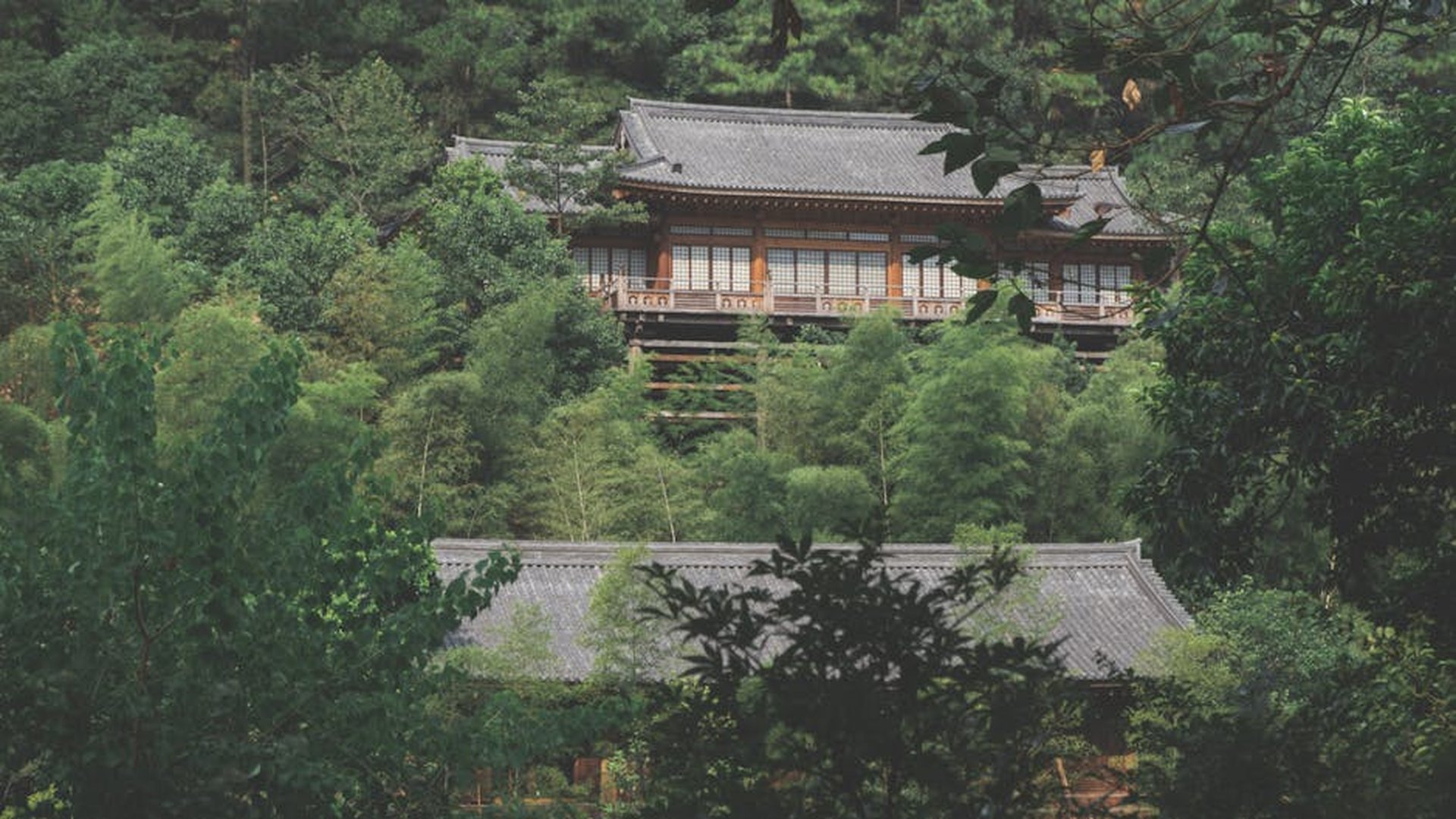
If you thought Japan was only about bustling cities and modern temples, head to Mount Koya—home to the largest religious complex in the country. Nestled in a valley surrounded by deep green forest, this sacred mountain is where Buddhist monks have meditated for over 1,100 years. The journey there, by train and then a winding road up into the mist, feels like crossing a threshold into another world. At the foot of the mountain, the Koyasan Temple Complex rises like a golden dream from the fog. Here, you’ll stay in a temple lodging, a practice known as shukubo, where you sleep on tatami mats, eat simple vegetarian meals, and rise at dawn to join monks in morning chanting. The sound of the gong at 5 a.m. echoes across the hills and stills the soul. One evening, walk through the cemetery of hundreds of stone tombs, each one hand-carved with prayers. In the quiet, you might hear the wind rustle through the pines—or feel a sudden hush, as if the mountain itself is breathing.
Wakkanai and the Northern Mystery of Hokkaido
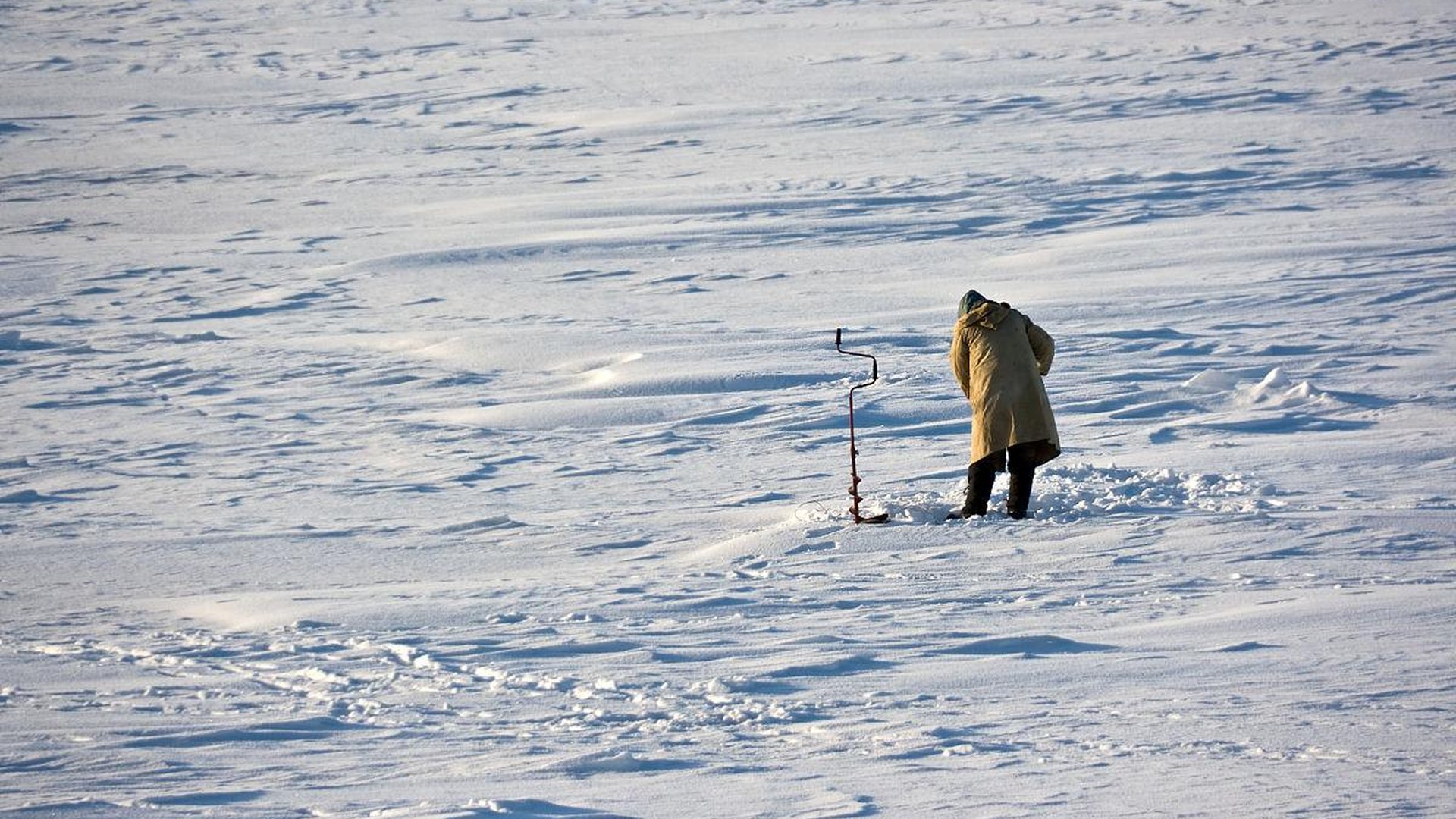
Far north, on the edge of Japan’s largest island, lies Wakkanai—a sleepy town that many travelers overlook. But here, on the remote tip of Hokkaido, nature wears its wild heart on its sleeve. In winter, the Sea of Okhotsk freezes into a vast white canvas, and fishermen walk across the ice to catch salmon. The local delicacy? A hot pot of fresh fish and radish, served in a small wooden cabin by a snow-covered lake. But the real wonder is the Shiretoko Peninsula, a UNESCO World Heritage Site where bears roam the forests, and golden eagles soar above. One unforgettable experience: a ferry ride to Rishiri Island. As the boat glides through icy waters, you’ll spot the snow-capped peak of Mount Rishiri, a perfect cone rising like a ghost from the mist. At night, the sky over Hokkaido is so clear you can count the stars like grains of sand. Stay at a family-run ryokan, where your host will hand you a steaming cup of yuzu tea and say, “This is not on the map—but it’s real.”
Life in the Slow Lane: Why These Places Matter
These destinations aren’t just scenic—they’re alive with meaning. Unlike the over-touristed spots, they offer space to breathe, to reflect, to truly connect with the rhythm of daily life. In Takayama, an old woman sells handmade felt hats at her stall every morning, not for profit, but because she enjoys the craft. In Koyasan, a monk will invite you to meditate silently in a small stone room, saying, “You don’t need to think. Just listen.” These small, unscripted moments are what travel is really about—not just checking boxes, but letting places change you. That’s the true value of hidden gems. They don’t scream for attention. They wait. They invite you to slow down, to see with new eyes.

Your Journey Starts Beyond the Map
Japan’s magic isn’t limited to Tokyo. It lives in the low hum of a wooden gate closing at dusk, in the scent of pine on a mountain trail, in the smile of a fisherman offering you a bowl of hot miso soup before you even ask. These are the places that stay in your heart longer than any tour bus route. At Best World Tours, we don’t just sell trips—we help you find the ones that matter. We design itineraries that lead you from Kyoto’s temples to the quiet shores of Hokkaido, ensuring every moment feels real, personal, and unforgettable. Because travel isn’t about how many places you’ve seen. It’s about how many feelings you’ve carried home. So next time you plan your journey, ask yourself: Where will you go to truly discover Japan—and not just visit it?