Why Traveling Like a Local Changes Everything
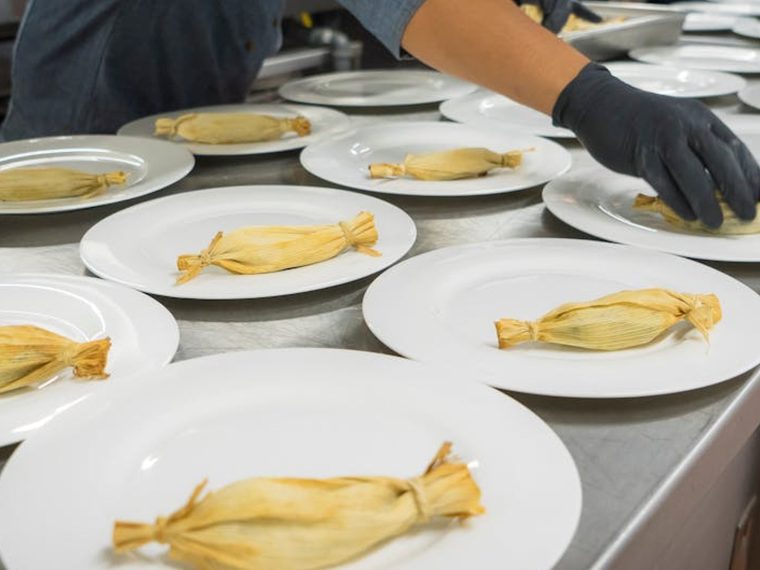
I still remember the first time I stepped off the beaten path in Oaxaca, Mexico. No tour group. No guidebook. Just a quiet alley in the back of the city, where an old woman was grinding corn beans on a metate, her hands rough but steady. She looked up, smiled, and handed me a warm tamal wrapped in banana leaf. That moment wasn’t on any travel itinerary. It wasn’t even in my plans. But it changed how I see travel forever.
For years, I chased the highlight reels—the Eiffel Tower, the Grand Canyon, Petra. And yes, those are breathtaking. But the real magic? It happens in the quiet moments. The hum of a morning market. The sound of a street vendor calling out to neighbors. The way a local shopkeeper says ‘good morning’ like he actually knows you. That’s the soul of travel. That’s the experience you’re missing if you’re just checking boxes.
Traveling like a local isn’t about avoiding famous sites. It’s about diving into the rhythm of daily life, where culture isn’t on display, it’s alive.
How to Find Real Places (And Skip the Tourist Trap)
Most travel apps and guides still lead you to the same spots: crowded plazas, overpriced ‘authentic’ restaurants, and photo ops that look like they’re from Pinterest. But if you want to feel like you’re living in the moment, not just observing it, you need to go off-script.
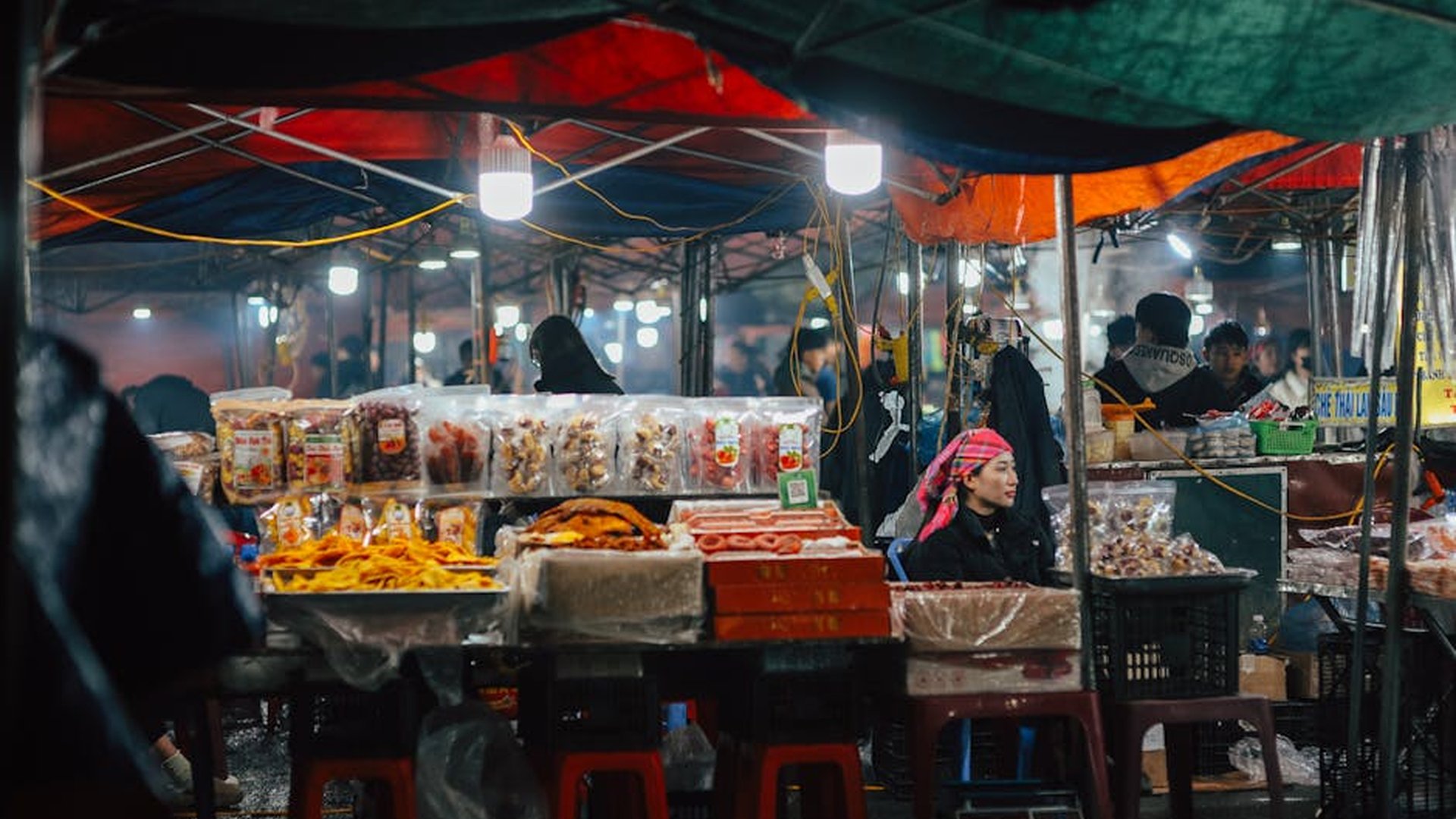
Start by hunting for neighborhood markets. In Kyoto, I walked three blocks from the main Gion district and stumbled on a tiny morning market run by a retired teacher who sold handmade soy sauce and pickled radishes. She didn’t speak English. I didn’t speak Japanese. But we passed bottles back and forth, laughed, and I left with a small jar and a whole new story.
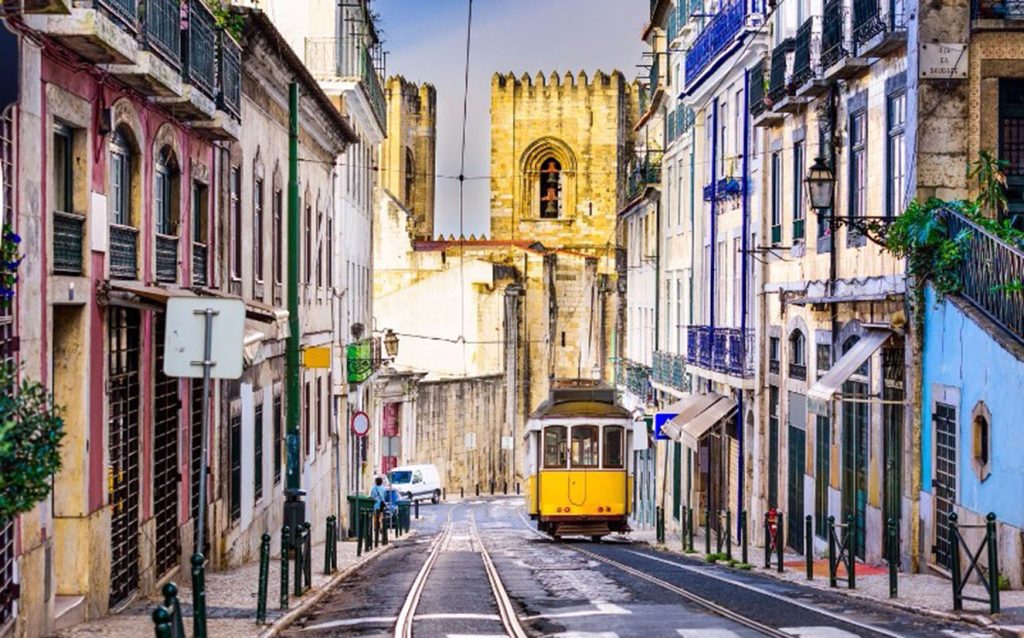
Another tip: avoid restaurants with menus in five languages. Real local spots? They’re often on side streets, with hand-painted signs and a chalkboard menu that changes daily. One morning in Lisbon, I followed a man on a bike with a basket of fresh fish and ended up at a tiny seafood stall near the river. I ordered the only thing I could read: ‘barracuda with potatoes.’ It was the best meal I’ve ever had.
When the Unplanned Moments Become the Best Memories
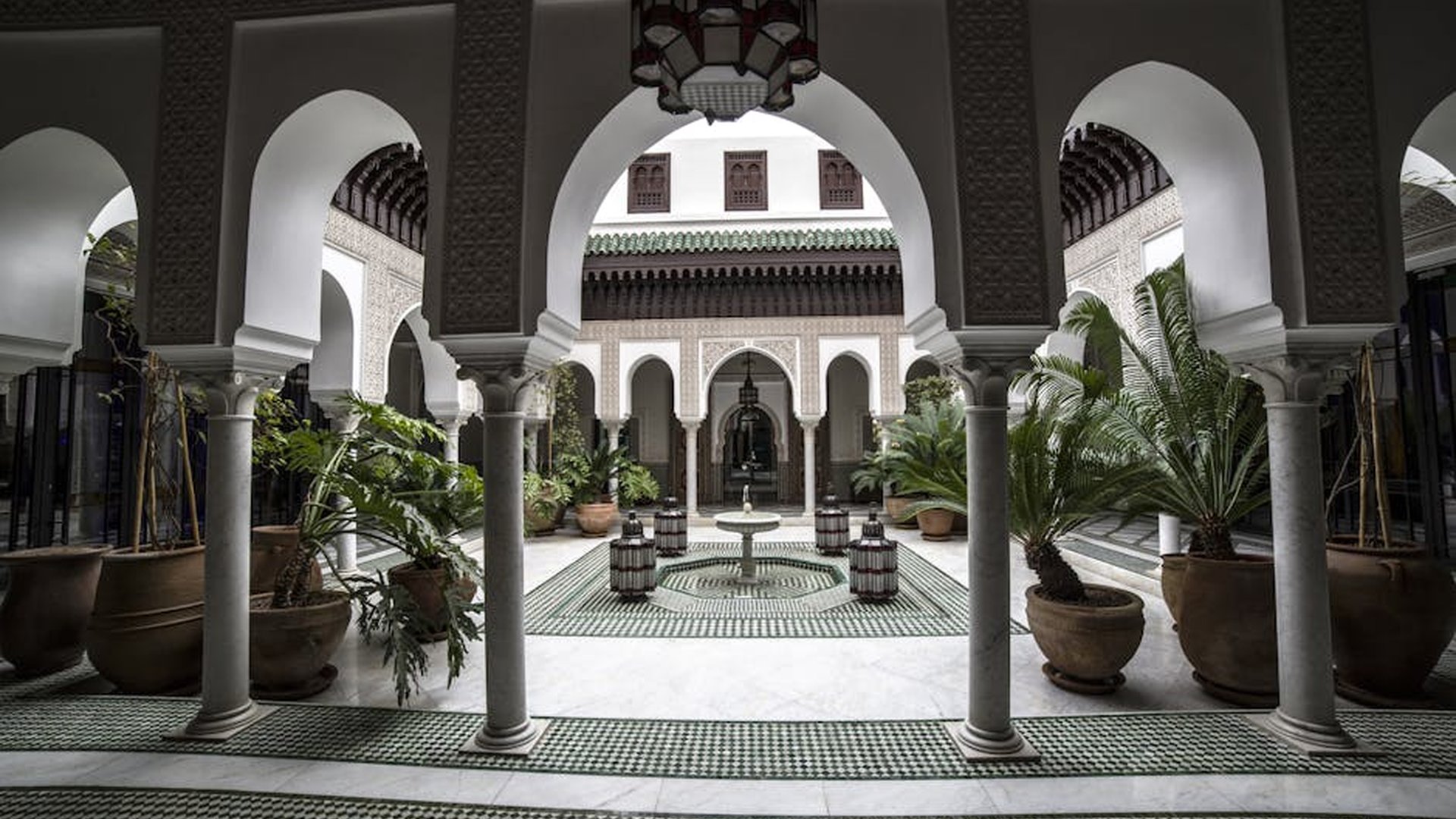
I’ll never forget the afternoon in Marrakech when my rented scooter broke down near a riad with a courtyard full of rose bushes. No map. No plan. I sat on a stone bench and watched an old man play the oud under a tamarind tree. No music, no audience—just him, the breeze, and the notes drifting through the air.
That’s when it hit me: travel isn’t about ticking off destinations. It’s about being open to the unexpected. When you’re not trapped in a rigid schedule, you start to notice things. The way a grandmother ties her headscarf just so. The way children play games with stones on a dusty sidewalk. The way a shopkeeper gives you a second bowl of soup because he sees you’re hungry.
These aren’t experiences you can book. They’re gifts. And they only happen when you stop trying to control the trip and start letting it control you.
The Power of Quiet Habits: What Locals Do That Travelers Miss
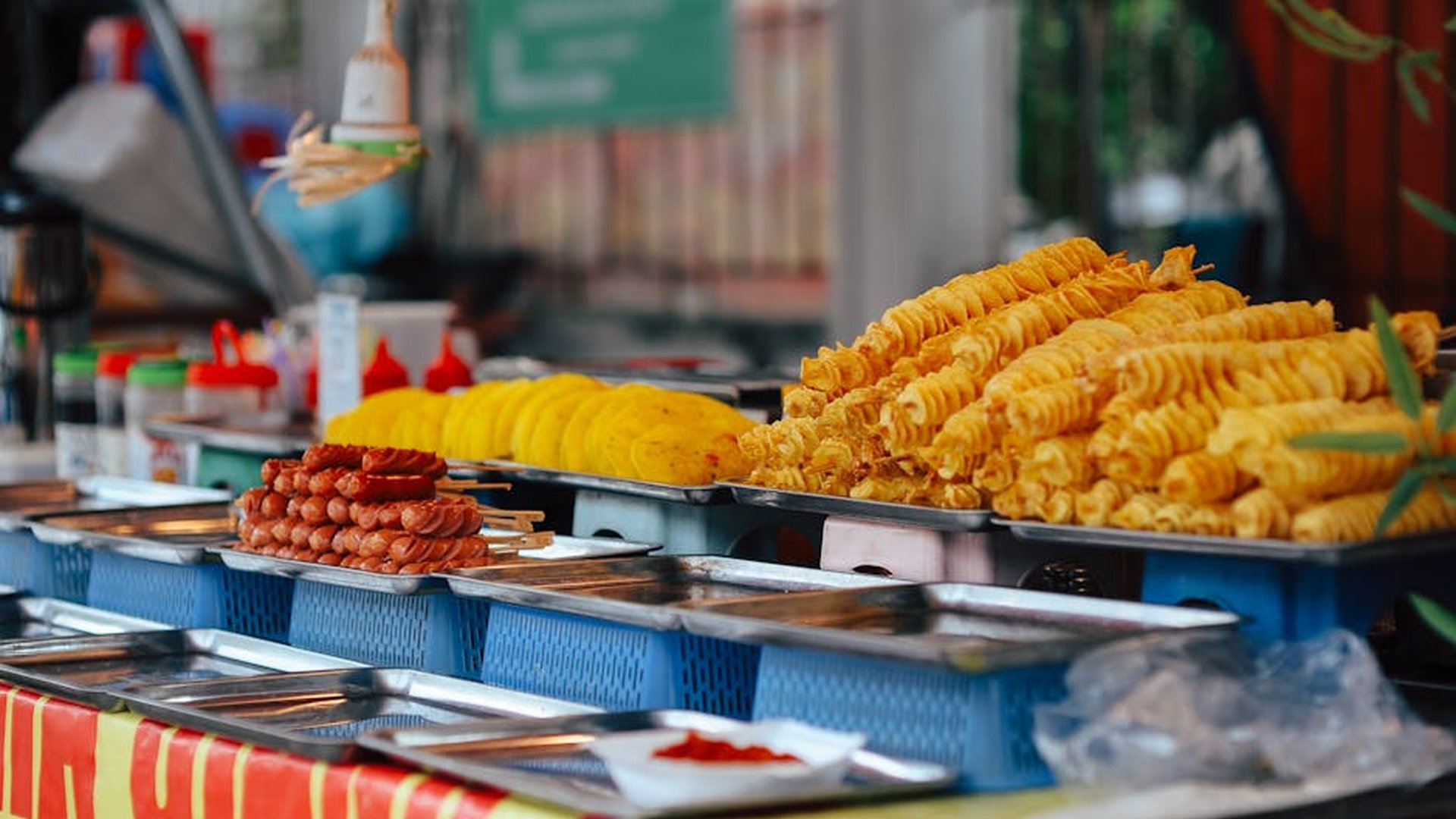
If you want to feel like a local, mimic local habits—not just the obvious ones like wearing sandals or eating street food. Dig deeper. In Hanoi, I learned that most people don’t go to a restaurant at 7 p.m. and order a full meal. They go around 5:30, grab a few small dishes, and eat standing at a little counter with a plastic stool. I tried it. And every night, for a week, I sat there, slurping pho, watching people rush home from work, laughing, talking, living.
That’s how you start to belong. Not by dressing like them. Not by learning a few phrases. But by doing things they do—every day, without thinking twice.
Another habit: walk. Locals don’t rush to buses or taxis. They walk everywhere. I started walking everywhere, even when it meant getting slightly lost. And you know what? I found more gems that way—tiny bookshops in Barcelona, hidden gardens in Naples, a cafe in Seoul where the owner made me coffee using a hand-pounded stone grinder.
How to Make It Real (Without Feeling Like a Fake)
You don’t have to fit in to experience culture. You don’t need to wear a traditional outfit or speak fluently. But you do need to show respect. That means learning a few basic words, even if you only say ‘hello’ and ‘thank you’ in the local language. It means not taking photos in places where people are praying or grieving.
And here’s a secret: the most meaningful interactions often happen when you’re not trying to ‘be local.’ It’s when you sit quietly at a market, buy a single piece of fruit, and let yourself just be there.
I’ve been to 50 countries. Some were perfect. Some were messy. But the ones I remember best are the ones where I didn’t know what to expect—where I was a little lost, a little out of place, but still felt seen.
That’s the real travel. Not luxury. Not perfection. But connection. The kind that stays with you long after the passport gets stamped.
Experience Authentic Culture Like a Local isn’t a goal. It’s a practice. Start small. Stay present. Say yes. And let the world surprise you.