
Why China Is a Top Choice for Budget Travelers
China isn’t just for luxury backpackers or high-end tourists anymore. With its vast size, rich history, and rapidly evolving infrastructure, it’s one of the most exciting and accessible countries for budget explorers. From ancient villages and mountain temples to bustling cities with street food that costs less than a coffee, China offers unmatched value for every dollar. The country’s efficient public transport, low-cost local dining, and affordable accommodations make it easier than ever to experience real China without breaking the bank. Whether you’re crossing the Silk Road on a sleeper train or sipping tea in a Xi’an alleyway, your journey can be both unforgettable and affordable.
Smart Planning: How to Travel China on a Tight Budget
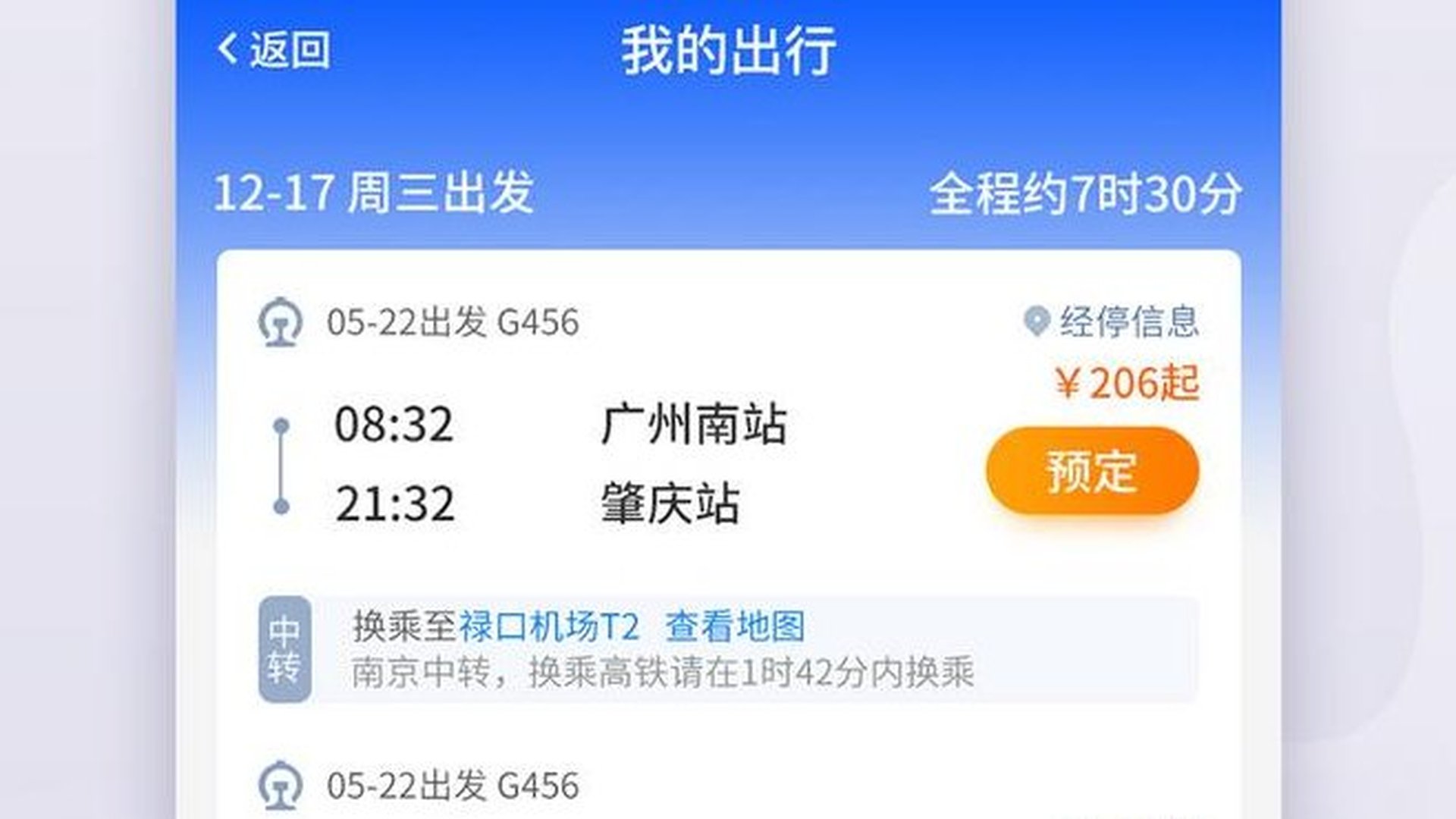
The key to budget travel in China isn’t just saving money—it’s spending it wisely. Start by choosing off-peak travel times, like April or October, to avoid inflated prices and crowds. Booking trains and flights in advance through official apps like 12306 or Trip.com can save up to 40% compared to last-minute purchases. Use local SIM cards (available at airports and convenience stores) for cheap data and route navigation. Avoid relying on English-only travel apps—many local services work better on Chinese platforms like WeChat and Alipay, which offer instant payment, ride-sharing, and even hotel bookings. These tools are not only free but often include discounts for first-time users. Finally, stick to local eateries and small shops. A $2 meal in Chengdu or a $4 noodle stop in Guilin isn’t just cheap—it’s authentic.
Hidden Gems: Off-the-Beaten-Path Adventures in China
Forget the overcrowded Great Wall and conventional tourist traps. Real travel happens in the quiet corners. In rural Guangxi, the Li River Valley stretches like a scroll of emerald water and misty limestone peaks. Take a 3-hour bamboo raft through the countryside and stop at a riverside village for a home-cooked meal with a local family. No tour group, no noise—just the sound of water and laughter. Then, head to the Dong people’s villages in the mountains of Guizhou. These remote hamlets feature tiered wooden houses, centuries-old songs, and rice wine made in secret family recipes. Spend a night in a guesthouse run by a local grandmother—costs under $15—and wake up to fog rolling over the hills. These aren’t just stops on a map. They’re real stories, real people, and unforgettable moments.

Local Food: Where Cheap Meets Delicious
China’s food culture is not just diverse—it’s economical. Street food isn’t just a budget fix; it’s where flavor lives. In Xi’an, walk a block from thehistoric city wall and find a vendor selling dan dan noodles in a tiny plastic chair setup. For $1.50, you get a steaming bowl of spicy pork, chili oil, and Sichuan peppercorns that’ll leave your mouth tingling and your wallet full. In Kunming, Hua Po Street turns into a food bazaar every evening, with stalls serving handmade dumplings, cold shredded pork, and mung bean ice cream—all under $3 per dish. The secret? Eat where locals eat. Avoid restaurants near train stations or tourist centers. Instead, follow the line of people with backpacks and umbrellas—you’ll find the real taste, not the tourist version. And don’t skip the night markets. In Hangzhou, the Qiantang River Night Market offers grilled skewers, fermented tofu, and boiled river shrimp. All served on paper plates for under $5 total.

Transport Made Easy: Navigating China on a Budget
One of the biggest myths about traveling in China is that it’s hard to get around. The truth? It’s one of the most seamless experiences for budget travelers. High-speed trains connect 300 cities across the country, with tickets to Shanghai from Beijing costing as little as $18. These trains are faster than most inter-city flights, with free Wi-Fi, spacious seats, and panoramic views of rice fields and distant mountains. For longer trips, sleeper buses between Chengdu and Lhasa are reliable and cost under $30. In cities, take the metro. Beijing’s system runs 24 hours, costs a flat $0.50 per ride, and reaches every major landmark. Use a contactless transit card (available at station kiosks) to avoid queues. And when you need to travel between towns, consider the local minibus—often private but shared, and cheaper than an official bus. These aren’t just options. They’re the real backbone of budget travel in China.

Final Tips: Travel Like a Local, Spend Like a Pro
Budget travel isn’t about cutting corners—it’s about choosing experiences over luxury. Pack a small travel notebook, not just for itineraries, but for notes on people you meet, meals you love, and sunlight on a temple roof. Carry a reusable water bottle—many train stations and metro hubs have free refill stations. Learn two simple Mandarin phrases: “Xièxiè” (thank you) and “Zěnme yàng?” (how is it?). They open doors more than any guidebook. And always ask locals where to go—they’ll point you to the quiet courtyard, not the 300-person photo spot. By staying flexible, listening, and trusting your instincts, your journey through China isn’t just affordable—it becomes personal. You’ll walk through the old alleys of Hangzhou not as a tourist, but as a guest. You’ll taste the sour-spicy notes of Hunan food not as a diner, but as a storyteller. And you’ll leave with more than photos. You’ll carry China—its rhythm, its warmth, its quiet beauty—not in a suitcase, but in your heart.